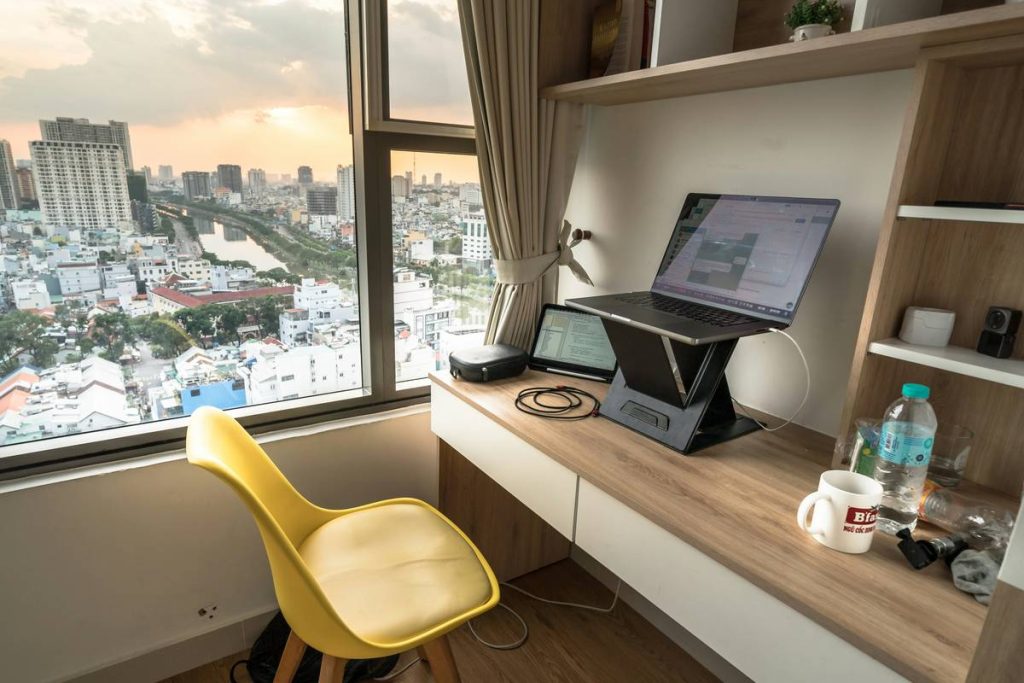
What if your office had palm trees instead of fluorescent lights? For thousands embracing digital nomadism, that dream is real—but only if you avoid the rookie errors that drain bank accounts and burn out beginners. I know; I learned the hard way after booking a one-way ticket to Bali without a backup plan (more on that in a minute). This guide cuts through the Instagram gloss to give you an actionable, stress-tested roadmap for launching your remote life work how to start journey—without losing your savings or sanity.
Table of Contents
- Why Remote Work Travel Isn’t Just a Vacation
- Your 7-Step Launch Plan
- 5 Best Practices Most Nomads Ignore
- Real Results: From Couch to Co-Working Hub
- FAQs About Starting Remote Life
Key Takeaways
- Test remote work with your current employer before quitting.
- Choose destinations with strong internet and low visa friction.
- Budget for hidden costs: coworking, data roaming, and healthcare.
- Build routines that anchor productivity amid constant change.
- Your first location should prioritize stability over “vibes.”
Why Remote Work Travel Isn’t Just a Vacation
The fantasy sells itself: sip coffee overlooking Lisbon’s rooftops while closing client deals. But reality bites when your Zoom call drops during a thunderstorm—or your laptop dies in a Thai internet café with no Apple Store nearby. According to a 2023 MBO Partners report, 19 million Americans now identify as digital nomads, yet nearly 40% return home within six months due to poor planning.

I messed this up badly on my first attempt. Fresh off a freelance win, I booked three months in Chiang Mai, assuming Wi-Fi would “just work.” It didn’t. My guesthouse router failed weekly, forcing me into noisy cafes where distractions killed my output. Worse, I hadn’t researched local SIM cards—I paid $8/GB for mobile data. Lesson learned: infrastructure > aesthetics.
Your 7-Step Launch Plan
1. Secure Remote Work First
Negotiate remote terms with your current job or land freelance gigs before departure. Platforms like Upwork or We Work Remotely can help, but don’t rely solely on gig income initially. Stability matters more than freedom at this stage.
2. Run a Financial Stress Test
Calculate your baseline monthly cost (rent, food, insurance) plus a 30% buffer for travel-specific expenses: coworking memberships (often $150–$300/month), local transport, and emergency medical coverage. Nomad Insurance offers plans starting at $40/month for comprehensive global coverage.
3. Pick Your First Destination Wisely
Avoid “bucket list” traps. Prioritize places with:
– Reliable fiber internet (check Nomad List)
– Easy visa rules (Portugal’s D7, Mexico’s tourist visa)
– Established nomad communities for support
4. Build a Portable Workspace
Invest in noise-canceling headphones, a universal power adapter, and a lightweight hotspot device. Remember: your environment dictates output quality.
5. Set Hard Boundaries
Time zones will tempt you to work odd hours. Block “focus windows” aligned with your energy—not your clients’ clocks—and communicate availability clearly.
6. Test for One Month
Rent short-term before committing. Use that month to validate internet speed, daily costs, and whether you actually enjoy the rhythm of remote life work how to start.
7. Automate Admin Tasks
Use tools like Wise for multi-currency banking and Toggl for time tracking. Less mental load = more bandwidth for exploration.
5 Best Practices Most Nomads Ignore
- Ditch the “hustle porn” mindset: Working 12-hour days in exotic locales isn’t sustainable. Schedule downtime like meetings.
- Backup everything offline: Cloud fails happen. Keep encrypted copies on a portable SSD.
- Join local coworking spaces: They offer reliable internet, community, and often mail handling—a lifesaver for receiving packages.
- Track visa durations religiously: Overstaying fines can be crippling. Set phone alerts 10 days before expiration.
- Never skip health prep: Verify vaccination needs via the CDC’s travel portal and carry a basic med kit.
Real Results: From Couch to Co-Working Hub
Sarah K., a former marketing manager from Toronto, transitioned to full-time remote work in 2022. She started by negotiating a 3-day remote week with her employer for three months. During that trial, she saved $2,000, tested two destinations (Lisbon and Medellín), and joined a coworking space in each. After confirming stable income and workflow, she resigned and has since lived across five countries—without dipping into emergency funds. Her secret? “I treated the first year like a business launch, not a gap year,” she told me. You can read more about our team’s background in the About Us section.
FAQs About Starting Remote Life
How much money do I need to start remote life work?
Aim for 3–6 months of living expenses saved. Costs vary wildly: you can live comfortably in Vietnam for $1,200/month but need $3,500+ in Berlin. Always include healthcare and coworking in your budget.
Can I start remote work without prior experience?
Yes—but secure income first. Consider part-time remote roles or freelance gigs in writing, design, or virtual assistance to build credibility before going all-in.
What’s the biggest mistake new digital nomads make?
Prioritizing destinations over practicality. That Maldives overwater bungalow looks stunning but lacks reliable internet and coworking infrastructure—critical for actual work.
Do I need a special visa for remote work?
Many countries now offer digital nomad visas (e.g., Croatia, Costa Rica). Others allow remote work on tourist visas if you’re not employed locally. Check official government sites like U.S. Department of State for updates.
How do I stay productive while traveling?
Routine anchors productivity. Wake up at the same time daily, designate a consistent workspace (even if it’s a café corner), and use apps like Freedom to block distractions.
Is remote life work how to start worth it?
Only if you treat it as a lifestyle shift—not an escape. The freedom is real, but it demands discipline, planning, and resilience. Those who prepare thrive; those who wing it often quit.
If you’re ready to build your remote life with intention, we’d love to hear your story. Reach out anytime through our Contact Us page. And remember: your privacy matters—learn how we protect your data in our Privacy Policy.