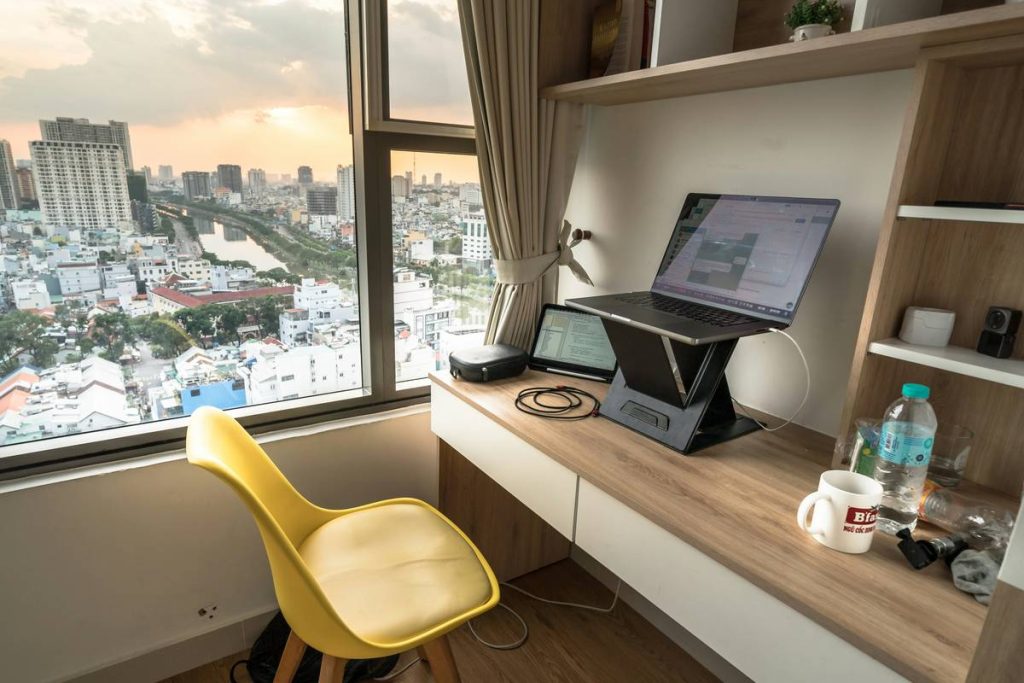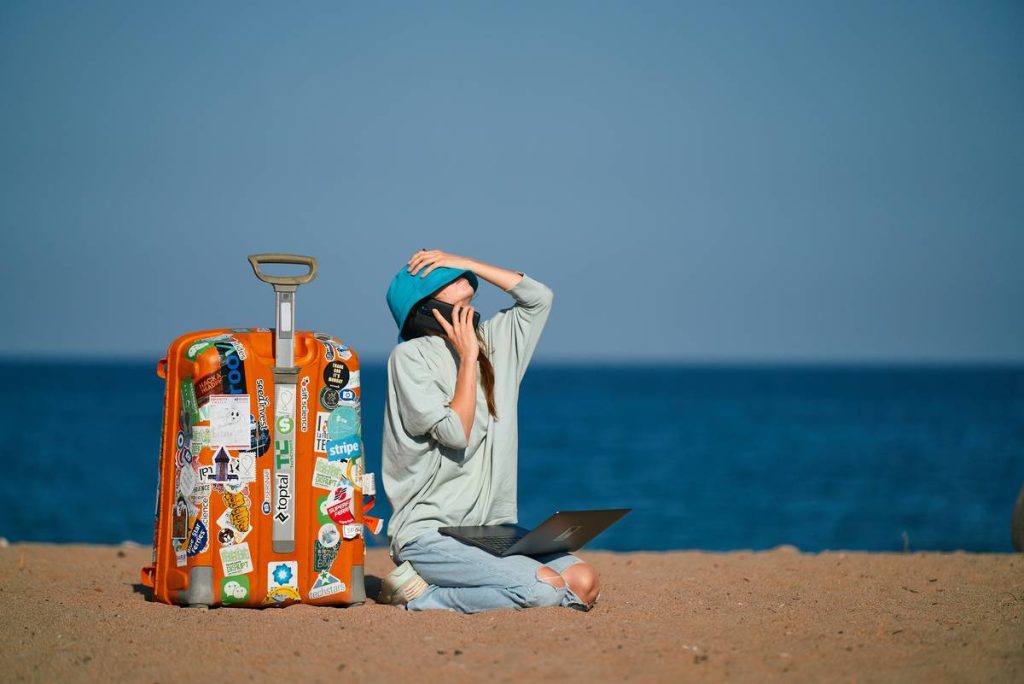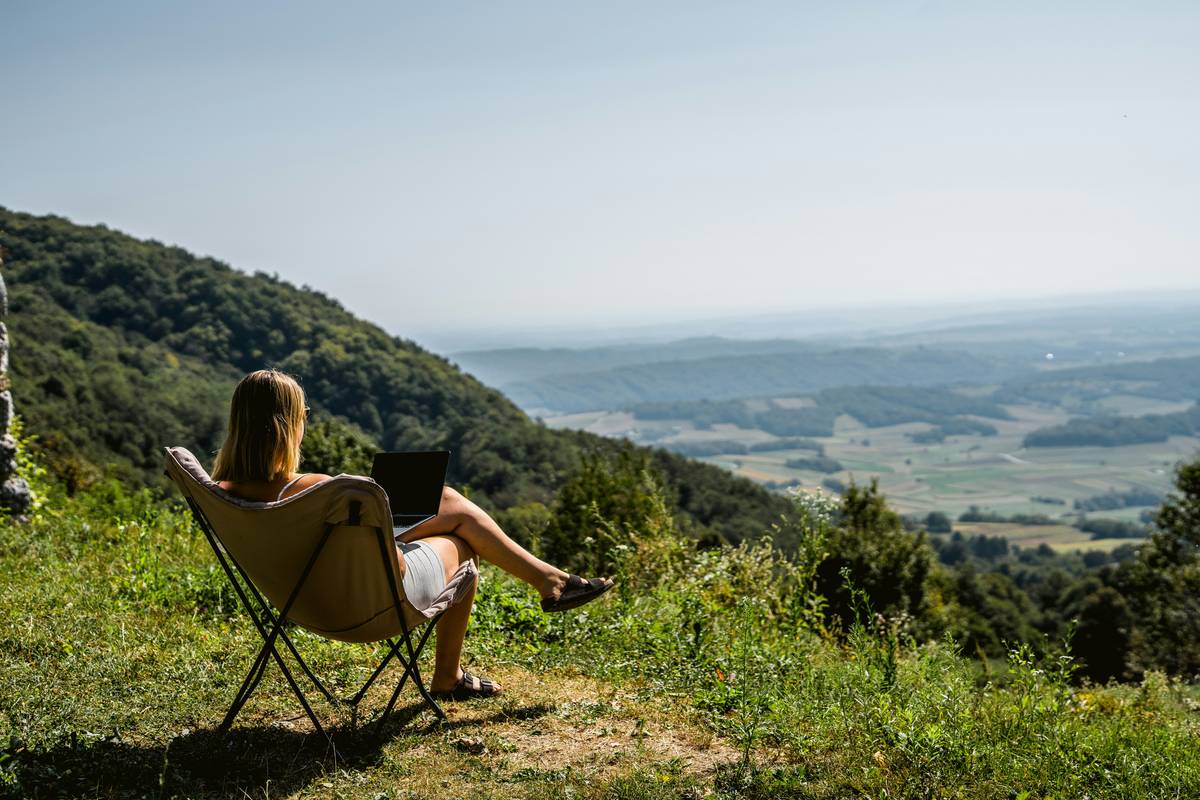
Ever sat on a sun-drenched beach in Bali, laptop balanced precariously on your knees, only to realize your Wi-Fi just died mid-Zoom call? You’re not alone. The dream of combining travel with remote work is real—but so are the pitfalls. In this guide, we’ll cut through the Instagrammable fluff and answer the raw, practical question on every aspiring nomad’s mind: remote life work what do digital actually look like when the filters come off? We’ll cover everything from choosing reliable destinations to managing time zones without burning out—all based on hard-won lessons (and one very expensive roaming bill I won’t forget).
Table of Contents
- Why This Question Matters for Travelers
- Your Step-by-Step Remote Work Setup
- 7 Best Practices That Actually Work
- Real Nomads, Real Results
- Frequently Asked Questions
Key Takeaways
- Success hinges on infrastructure—not just inspiration.
- Time zone overlap is non-negotiable for team collaboration.
- Digital nomad visas simplify legal compliance in many countries.
- Backing up data daily prevents catastrophic losses abroad.
- Community access drastically reduces onboarding friction in new cities.
Why This Question Matters for Travelers
The phrase “remote life work what do digital” isn’t just SEO jargon—it’s the literal confusion millions face when trying to merge careers with constant movement. According to UK Government research on global mobility trends, over 35 million people now identify as digital nomads, yet nearly half report unplanned work disruptions due to poor planning.
I learned this the hard way in Lisbon. Confident my Portuguese SIM card would suffice, I skipped researching local co-working spaces. Three days in, my apartment’s internet crashed during a client deadline. No backup hotspot. No local contacts. I ended up paying €80 for a last-minute WeWork day pass—money better spent on pastéis de nata.
Your Step-by-Step Remote Work Setup
1. Validate Your Destination’s Infrastructure
Don’t rely on TripAdvisor reviews alone. Use tools like Nomad List to check real-time data on internet speeds, cost of living, and English proficiency. Prioritize cities with multiple fiber providers.
2. Secure Legal Status Early
Many countries—including Portugal, Mexico, and Estonia—offer digital nomad visas. These typically require proof of income (often $2,000+/month), health insurance, and a return ticket. Start applications 60+ days pre-departure.
3. Build Redundant Connectivity
Carry two SIM cards from different carriers. Pair with a portable Wi-Fi device like Skyroam. Test failover processes before you need them.
4. Time Zone Alignment Strategy
If your team works 9–5 EST, avoid locations more than 6 hours ahead. Use World Time Buddy to block “core overlap hours” in your calendar—treating them as immovable meetings.
7 Best Practices That Actually Work
- Back up everything nightly: Use automated cloud sync (Backblaze + Google Drive) so device theft doesn’t mean lost work.
- Join nomad communities pre-arrival: Facebook groups or Slack channels like Dynamite Circle offer vetted housing and workspace tips.
- Never skip travel insurance: Ensure it covers both medical emergencies and gear replacement—World Nomads is a trusted provider.
- Use noise-canceling headphones religiously: Cafés look romantic until you’re drowning out blender noise during a pitch call.
- Batch administrative tasks: Handle invoices, expenses, and emails in one weekly session to protect deep work blocks.
- Maintain a “home base” address: For banking and tax purposes, use a virtual mailbox service like Earth Class Mail.
- Track local public holidays: Many countries shut down completely—your favorite café might vanish for 10 days during Semana Santa.
Real Nomads, Real Results
Sarah K., a UX designer, doubled her freelance income after adopting structured remote protocols. She moved to Medellín using Colombia’s new digital nomad visa, joined Selina CoLive for built-in community, and blocked 8–11 AM local time for U.S. client calls. Within six months, she reported 30% higher client retention versus her pre-nomad phase—attributed to consistent communication windows and professional setup.
Conversely, Mark T. skipped legal checks while hopping Southeast Asia. After overstaying his Thai visa by 11 days, he paid $220 in fines and faced a 90-day re-entry ban. His takeaway: “remote life work what do digital” requires as much paperwork as wanderlust.
Frequently Asked Questions
What’s the best country for beginners doing remote life work what do digital?
Portugal, Mexico, and Georgia offer straightforward visas, strong infrastructure, and English-friendly environments. All three rank in Nomad List’s top 10 for newcomers.
How much money do I need to start?
Budget $2,500–$3,500/month depending on location. This covers housing, coworking, insurance, food, and buffer for emergencies.
Can I work remotely on a tourist visa?
Technically, many do—but legally, most tourist visas prohibit “local work.” Digital nomad visas explicitly permit remote employment for foreign companies, reducing deportation risk.
Do I need special software?
Essential tools include communication apps (Slack, Zoom), project management (Notion, Trello), and time tracking (Toggl). Avoid overly complex stacks that drain battery on the go.
How do taxes work for digital nomads?
Tax residency depends on physical presence days and home-country rules. Consult a cross-border accountant—sites like our About Us page detail how we partner with expat-focused CPAs.
What if my job doesn’t allow full remote work?
Negotiate a hybrid arrangement first. Propose a trial period showing productivity metrics from a nearby city. Document results to build your case for full transition.
Remote life isn’t about escaping work—it’s about redesigning it on your terms. If you’ve mapped your infrastructure, secured legal footing, and honored your team’s needs, the world becomes your office without the chaos. Ready to build your sustainable setup? Reach out through our Contact Us page—we’ve helped hundreds navigate this exact leap. And remember: great nomads aren’t those with the prettiest Instagram feeds, but those whose backups never fail when skies turn gray. As I learned in Lisbon—with a €80 lesson burned into my budget—you don’t need perfect weather. You need a plan.