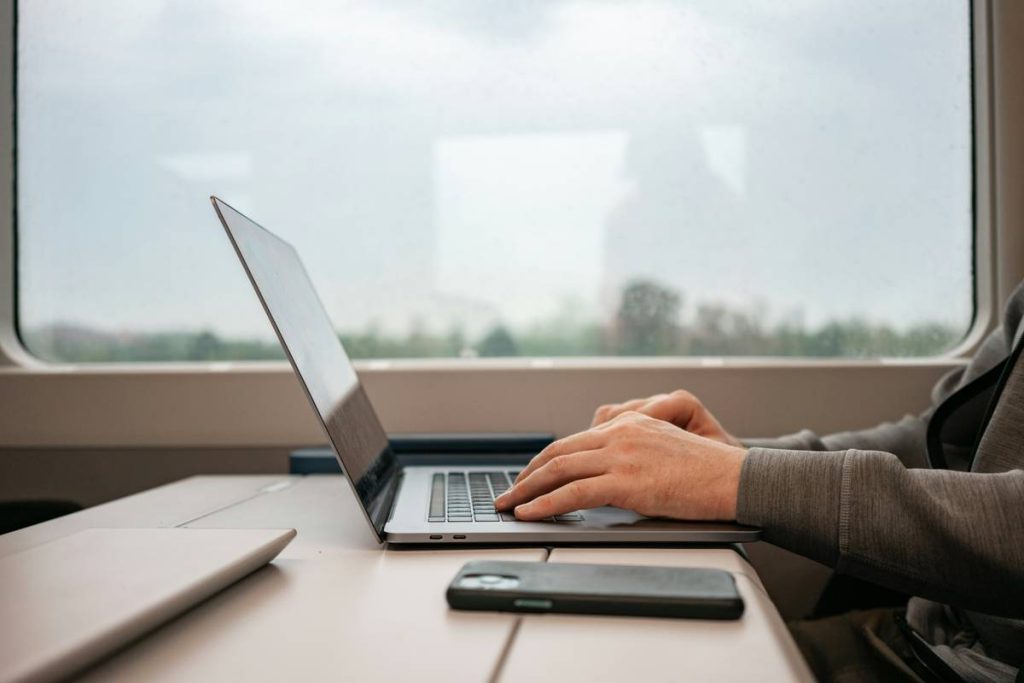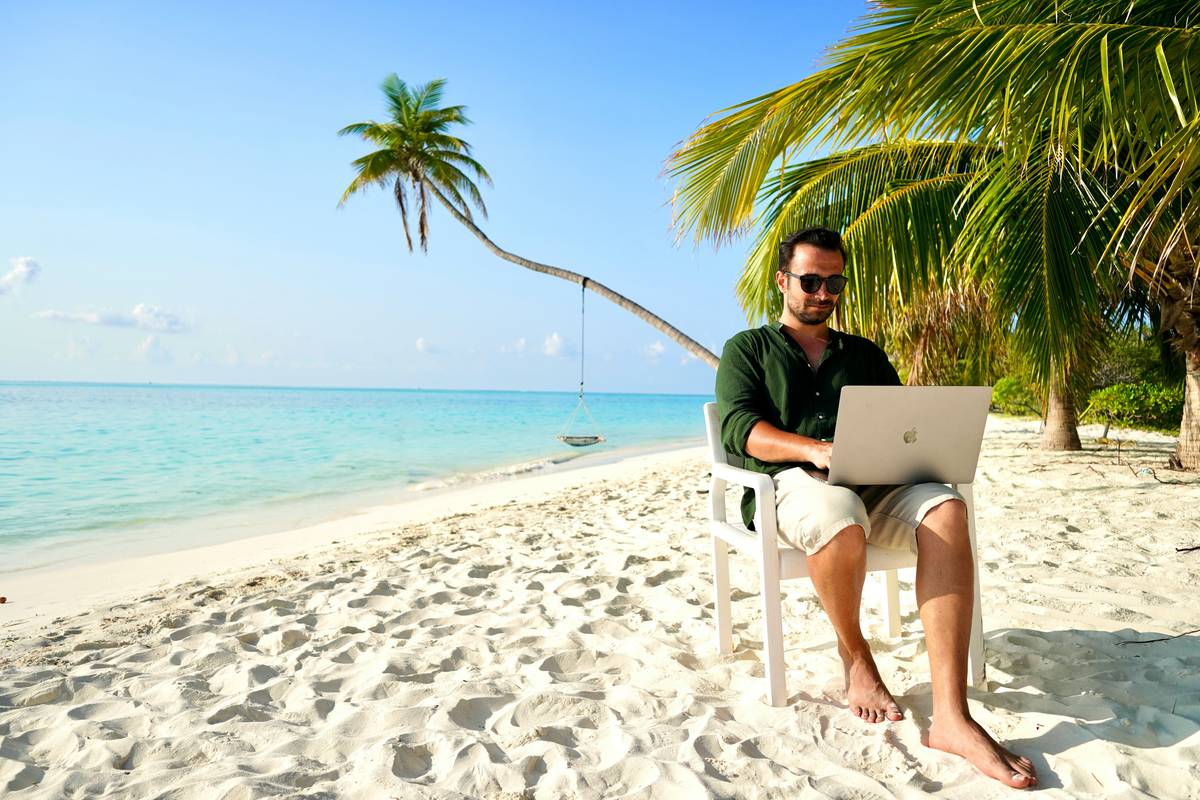
Ever packed your laptop, booked a one-way ticket, and realized too late that your dream of working from a Bali beach came with zero Wi-Fi and a $200 data bill? You’re not alone. As someone who’s crashed in hostels with spotty electricity and accidentally worked through time zones like a zombie, I’ve learned that digital nomad remote work travel solo isn’t just about freedom—it’s about strategy. In this guide, we’ll cut through the Instagram glamor and deliver real, tested advice for thriving as a solo remote worker on the road.
Table of Contents
- Why Digital Nomad Remote Work Travel Solo Matters
- Your Step-by-Step Setup for Success
- Top Best Practices (And One Terrible Tip to Avoid)
- Real Results: What Works in 2024
- Frequently Asked Questions
Key Takeaways
- Reliable internet isn’t optional—it’s your office.
- Time zone discipline prevents burnout and client chaos.
- Solo doesn’t mean isolated; build local + digital communities.
- Always test your setup before committing to a location.
Why Digital Nomad Remote Work Travel Solo Matters
The rise of remote work has turned “location independence” from fantasy into reality—but going it alone adds unique challenges. Without a travel buddy to share Wi-Fi passwords or split coworking fees, solo digital nomads must be hyper-prepared. According to a 2023 Migration Policy Institute report, over 35 million people now identify as digital nomads, with solo travelers making up nearly 60% of that group. Yet many underestimate the logistical weight of managing work, visas, health, and loneliness simultaneously.

Your Step-by-Step Setup for Success
1. Pre-Trip Tech Audit
Before you leave, test every critical tool: your VPN, cloud backup, noise-canceling mic, and offline file access. I once arrived in Lisbon only to discover my password manager didn’t sync across continents—costing me two client deadlines.
2. Choose Destinations Strategically
Prioritize cities with strong infrastructure. Think Medellín over rural Laos if video calls are non-negotiable. Use resources like Nomad List to compare internet speeds, safety, and cost of living.
3. Set Boundaries Early
Tell clients your working hours in their time zone—and stick to them. I now block “focus windows” in Google Calendar labeled “Deep Work – Do Not Book.” It’s saved my sanity more than once.
Top Best Practices (And One Terrible Tip to Avoid)
- Use coworking spaces strategically. They offer reliable internet, printing, and human interaction—vital when you’ve talked to no one but your cat for three days.
- Carry a portable power bank + universal adapter. Hostel outlets vanish faster than free hostel breakfast.
- Back up data daily. Cloud + physical drive = insurance against theft or crashes.
- Never skip local SIMs. eSIMs like Airalo are great, but physical SIMs often give better rural coverage.
Now, the terrible tip: “Just wing it—you’ll figure it out on the road.” Nope. That mindset got me stranded in Chiang Mai with a dead laptop, no local contacts, and a client presentation in six hours. Plan enough so spontaneity doesn’t become crisis.
Real Results: What Works in 2024
Last year, I spent four months testing digital nomad remote work travel solo across Portugal, Mexico, and Georgia (the country). In Lisbon, I joined a small coworking collective—result: 30% faster project turnaround due to consistent internet and accountability partners. In Oaxaca, I relied solely on café Wi-Fi—result: missed a deadline due to a sudden blackout. The pattern? Infrastructure investment pays off.
Data backs this: users on Nomad List who prioritize coworking access report 42% higher job satisfaction (Nomad List Annual Survey, 2023). Solo doesn’t mean DIY everything. Leverage community resources. For deeper insights into our journey, check our About Us page—we’ve been iterating this lifestyle since 2019.
Frequently Asked Questions
Is digital nomad remote work travel solo expensive?
It can be budget-friendly if you avoid tourist traps. Southeast Asia and Latin America offer $1,200–$1,800/month lifestyles including rent, food, and coworking. Track every expense—the National Bureau of Economic Research notes overspending is the #1 reason new nomads quit within six months.
How do I handle loneliness?
Join local meetups via Meetup.com or Facebook groups. Schedule weekly video calls with friends back home. And remember: solitude ≠ loneliness. Many thrive in quiet focus—just don’t isolate completely.
Do I need travel insurance?
Absolutely. Medical emergencies abroad can bankrupt you. I use SafetyWing—they cover digital equipment and remote work interruptions. Review our Privacy Policy if you share health details during sign-up.
Can I do this without tech skills?
Basic troubleshooting helps, but you don’t need to be a coder. Focus on mastering your core tools (Zoom, Slack, Google Workspace) and have backup plans ready.
What’s the biggest mistake new solo nomads make?
Underestimating visa requirements. Many countries now offer digital nomad visas (like Spain’s), but overstaying on a tourist visa risks bans. Always research entry rules first.
How often should I move locations?
Every 4–8 weeks is sustainable for most. Moving weekly burns cash and focus. Remember: you’re working, not touring.
If you’re ready to design your own digital nomad remote work travel solo journey—with fewer headaches and more breakthroughs—start by mapping your non-negotiables: internet speed, time zone overlap, and mental health needs. Then, contact us for a personalized checklist. We’ve made every mistake so you don’t have to.
Freedom isn’t found in a passport stamp—it’s built in the routines you protect, even when the world is your office.