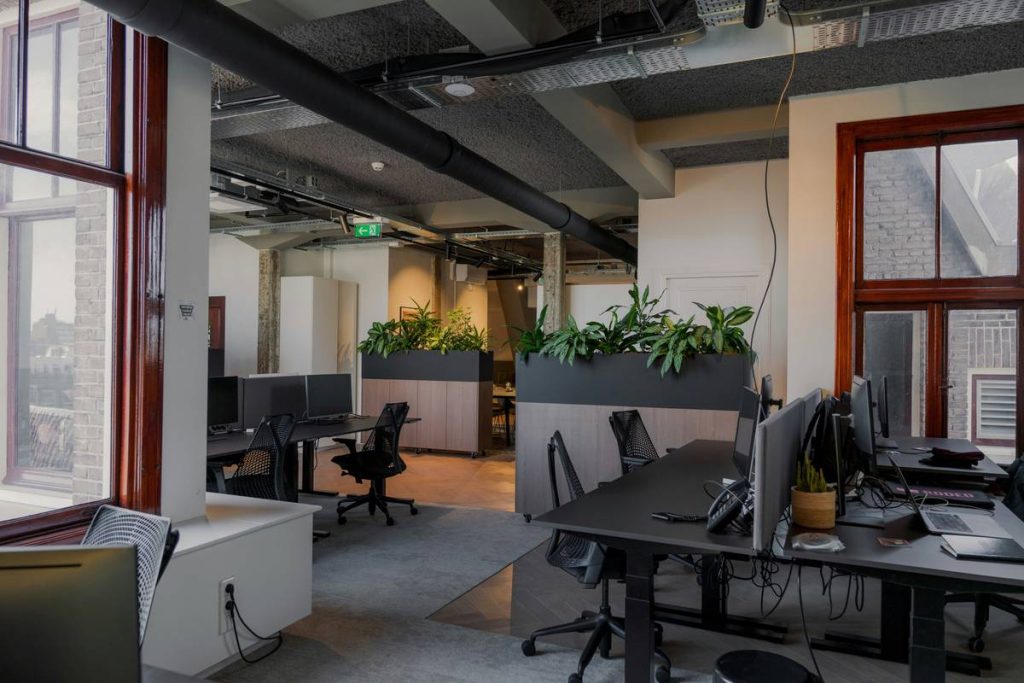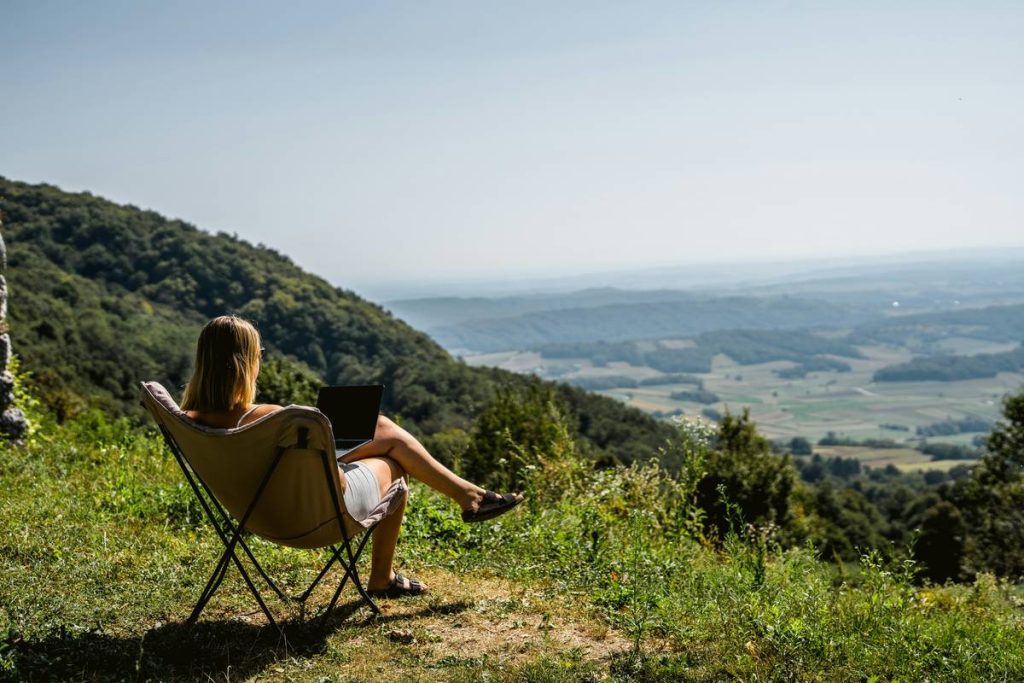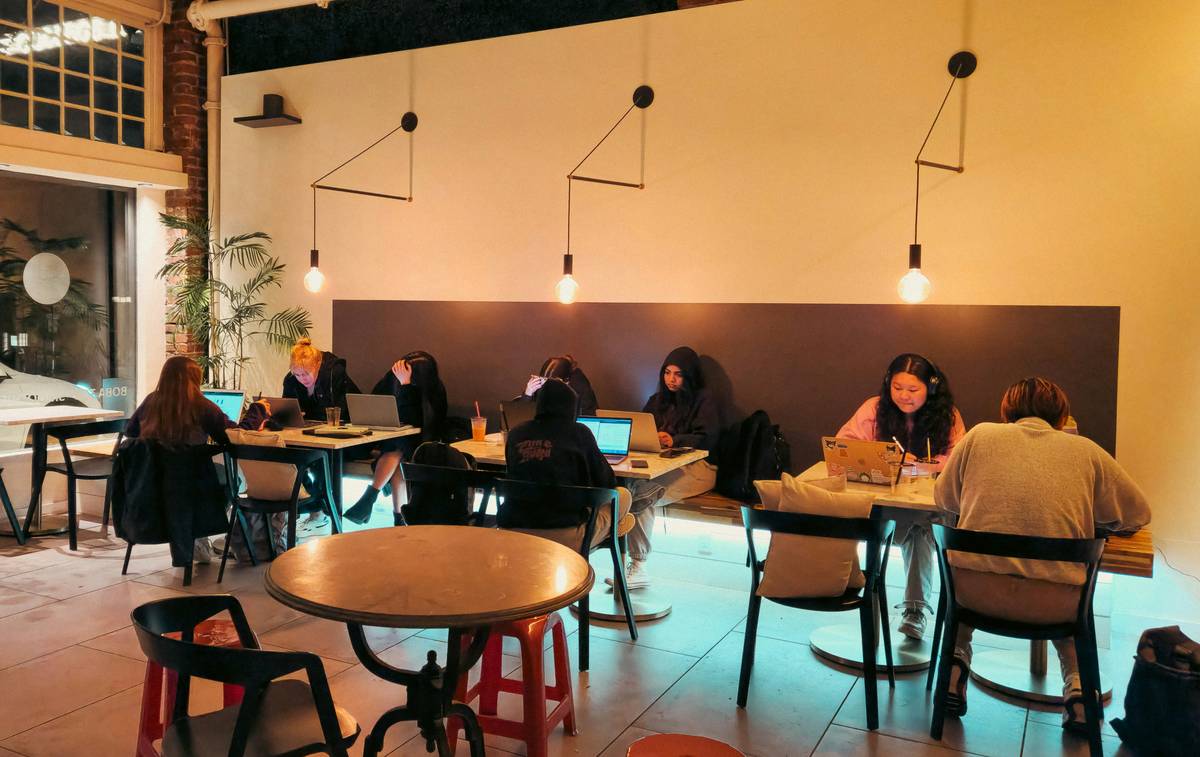
Ever landed in a so-called “digital nomad paradise” only to discover the Wi-Fi dies at 3 p.m. and your Zoom call dissolves into pixelated silence? You’re not alone. Finding a reliable nomad spot remote work digital did actually support your livelihood—not just your Instagram feed—requires more than just tropical vibes and cheap coffee. In this guide, I’ll share hard-won lessons (including one painfully expensive lesson from Bali) to help you identify spots that truly deliver on speed, stability, and sustainability for remote professionals.
Table of Contents
- Why “Nomad Spot Remote Work Digital Did” Matters More Than Ever
- Step-by-Step Guide to Vetting Your Next Nomad Base
- 5 Best Practices for Choosing a Productive Nomad Hub
- Real-World Examples: Successes (and One Epic Fail)
- Frequently Asked Questions
Key Takeaways
- Not all “nomad-friendly” cafes offer real work viability—test before committing.
- Internet speed isn’t enough; uptime and upload stability are critical for video calls.
- Time zone alignment can make or break client relationships.
- Local regulations around remote work visas are tightening globally.
- A great nomad spot remote work digital did balances cost, connectivity, and community.
Why “Nomad Spot Remote Work Digital Did” Matters More Than Ever
The dream of working from beaches and mountain towns has gone mainstream—but infrastructure hasn’t always kept up. According to a 2023 study by Nomad List, over 68% of digital nomads reported relocating within three months due to unreliable internet or hidden costs. That’s not just inconvenient—it’s career-threatening.

I learned this the hard way in Canggu, Bali. Lured by $2 smoothie bowls and co-working photos, I booked a month-long stay—only to realize the local fiber line shared bandwidth across 200 villas. My afternoon stand-ups became audio-only ghosts. That experience taught me: aesthetics ≠ functionality. A true nomad spot remote work digital did prioritize professional needs over aesthetic appeal.
Step-by-Step Guide to Vetting Your Next Nomad Base
Test Real Internet Speeds—At Your Exact Location
Don’t rely on hotel promises. Use Speedtest.net or Fast.com at the actual desk or apartment you’ll use. Measure at different times of day—especially during peak hours (10 a.m.–6 p.m. local time). Look for consistent upload speeds above 5 Mbps if you join video calls.
Check Power Stability and Outlets
In many emerging nomad destinations, power surges or outages are common. Ask locals or expat groups about brownouts. Ensure your accommodation has grounded outlets and surge protectors—or bring your own.
Verify Local Work Regulations
Countries like Portugal and Spain now require official digital nomad visas. Working illegally, even unintentionally, risks fines or deportation. Consult official sources like U.S. Department of State travel advisories or your home country’s embassy site before booking long-term.
5 Best Practices for Choosing a Productive Nomad Hub
- Prioritize redundancy: Choose places with two internet options (e.g., fiber + mobile hotspot backup).
- Time zone overlap: Aim for at least 4 hours of overlap with your main client base. No amount of charm fixes missed deadlines.
- Community signals: Active Slack/Discord groups or weekly meetups often indicate reliable infrastructure.
- Avoid “Instagram traps”: If every review mentions “great photo ops” but skips connectivity details, be suspicious.
- Budget for reality: Include co-working day passes ($15–$30/day) in your estimates—they’re often faster and quieter than cafes.
Real-World Examples: Successes (and One Epic Fail)
Success – Lisbon, Portugal: With 90+ co-working spaces and clear visa pathways, Lisbon offers structure without sacrificing lifestyle. Average fiber speeds exceed 150 Mbps (per Ookla’s 2024 report), and English is widely spoken in tech circles.
Epic Fail – A Hidden Villa in Tulum: Gorgeous jungle views, zero cell service, and daily generator noise that drowned out recordings. I lost two freelance gigs that week. Moral? A nomad spot remote work digital did must function first, impress later.
Today, I only book stays through platforms that verify connectivity claims—or I message past guests directly. For transparency about my own standards, see our About Us page.
Frequently Asked Questions
What makes a location a true “nomad spot remote work digital did”?
It consistently delivers high-speed, stable internet, safe accommodations, legal clarity for remote workers, and a supportive community—not just scenic backdrops.
How do I test internet reliability before arriving?
Join Facebook or Reddit groups for nomads in that city and ask for recent speed test screenshots. Many will happily share real-time data.
Are digital nomad visas required everywhere?
No—but over 40 countries now offer them, including Croatia, Costa Rica, and Greece. Always check current rules via official government portals.
Can I use public Wi-Fi for remote work?
Only with a trusted VPN and for non-sensitive tasks. Public networks lack encryption and uptime guarantees crucial for professional work.
Where can I report issues or get personalized spot recommendations?
We love helping fellow travelers! Reach out directly through our Contact Us page. And rest assured—your data stays protected per our Privacy Policy.
Is “nomad spot remote work digital did” just a keyword or a real standard?
It’s become shorthand among seasoned nomads for places that pass the “workability” test—not just the wanderlust filter.
Choosing where to plant your laptop next isn’t about chasing sunsets—it’s about finding ground that holds your weight while you build your future. Test, verify, and never trust a photo over a ping test. Ready to find your perfect base? Let’s connect—I’ve been there, glitched that.