Ever landed in a “dreamy” beach town only to discover your Zoom calls sound like you’re broadcasting from a wind tunnel—while your laptop overheats on a wobbly bamboo table? Yeah. We’ve been there. In fact, I once spent three weeks in Bali just trying to find reliable Wi-Fi that didn’t cost half my rent.
If you’re chasing a nomad spot remote work digital lifestyle that actually works—where productivity meets paradise—you’re not alone. With over 58% of U.S. workers now having access to remote options (McKinsey, 2023), digital nomadism isn’t just trendy—it’s a legit career path. But not all spots are created equal.
In this guide, you’ll learn:
- Why most “digital nomad hotspots” fail remote workers (and how to spot red flags before booking)
- How to evaluate infrastructure like a seasoned nomad—not an influencer
- Real-world examples of underrated cities that nail the work-life balance
- Actionable checklists to test internet, ergonomics, and time zones—before you go
Table of Contents
- Why Most Nomad Spots Suck for Actual Work
- How to Find a Real Nomad Spot Remote Work Digital Lifestyle Fit
- 7 Non-Negotiables for a Functional Nomad Base
- Case Study: Tbilisi vs. Lisbon – Which Won for My Workflow?
- FAQ: Nomad Spot Remote Work Digital Lifestyle
Key Takeaways
- Aesthetic appeal ≠ remote work readiness—focus on infrastructure, not Instagram feeds.
- Internet speed should exceed 25 Mbps download and 10 Mbps upload for seamless video calls.
- Time zone alignment matters more than you think—especially if you collaborate with teams in North America or Europe.
- Cities like Tbilisi, Medellín, and Chiang Mai offer high value but require vetting beyond expat forums.
- Always do a 3-day trial stay before committing to a month-long rental.
Why Most Nomad Spots Suck for Actual Work
Let’s be brutally honest: many “top 10 digital nomad destinations” lists are written by travel bloggers who haven’t filed a single W-2 from abroad. They rave about sunsets in Canggu while omitting that load-shedding blackouts happen twice a week. Or they gush over Lisbon cafés without mentioning that €20/day coworking passes don’t include functional desk lamps—or outlets within arm’s reach.
I learned this the hard way. In 2022, I booked a “nomad-friendly” villa in Playa del Carmen based on glowing Reddit threads. Reality? The router was tucked behind a cabinet labeled “Wi-Fi (maybe).” My daily stand-ups crackled like AM radio. And forget ergonomic seating—my back still twinges at the memory of that plastic patio chair.
The problem? Most guides prioritize vibe over viability. But your nomad spot remote work digital lifestyle hinges on boring-but-critical factors: stable electricity, fiber internet, noise levels, and tax implications.
How to Find a Real Nomad Spot Remote Work Digital Lifestyle Fit
Finding a functional base isn’t guesswork—it’s due diligence. Here’s how the pros do it:
Step 1: Audit Your Work Requirements First
Are you in deep-focus coding sprints or client-heavy consulting? Do you need ultra-low latency for gaming streams or just solid Zoom quality? Write down your non-negotiables. For me, it’s 8+ hours of uninterrupted quiet and dual-monitor support. No compromises.
Step 2: Use Real-Time Data—Not Hype
Skip the glossy blogs. Instead:
- Check Speedtest.net results filtered by neighborhood
- Browse local Facebook groups like “Digital Nomads Tbilisi” for outage reports
- Use Nomad List’s real user ratings (filter by “remote job type”)
Step 3: Do a Paid Trial Run
Book a short Airbnb near coworking spaces like Selina or WeWork clones. Work there for 48 hours. Test calls at peak evening hours. Listen for street noise. Does your laptop fan scream like it’s rendering a Pixar short? If yes—walk away.
Optimist You: “This place has palm trees AND fiber! Let’s sign a 6-month lease!”
Grumpy You: “Ugh, fine—but only if the outlet next to the desk doesn’t require a 10-foot extension cord.”
7 Non-Negotiables for a Functional Nomad Base
Forget “vibes.” Prioritize these—if even two are missing, reconsider:
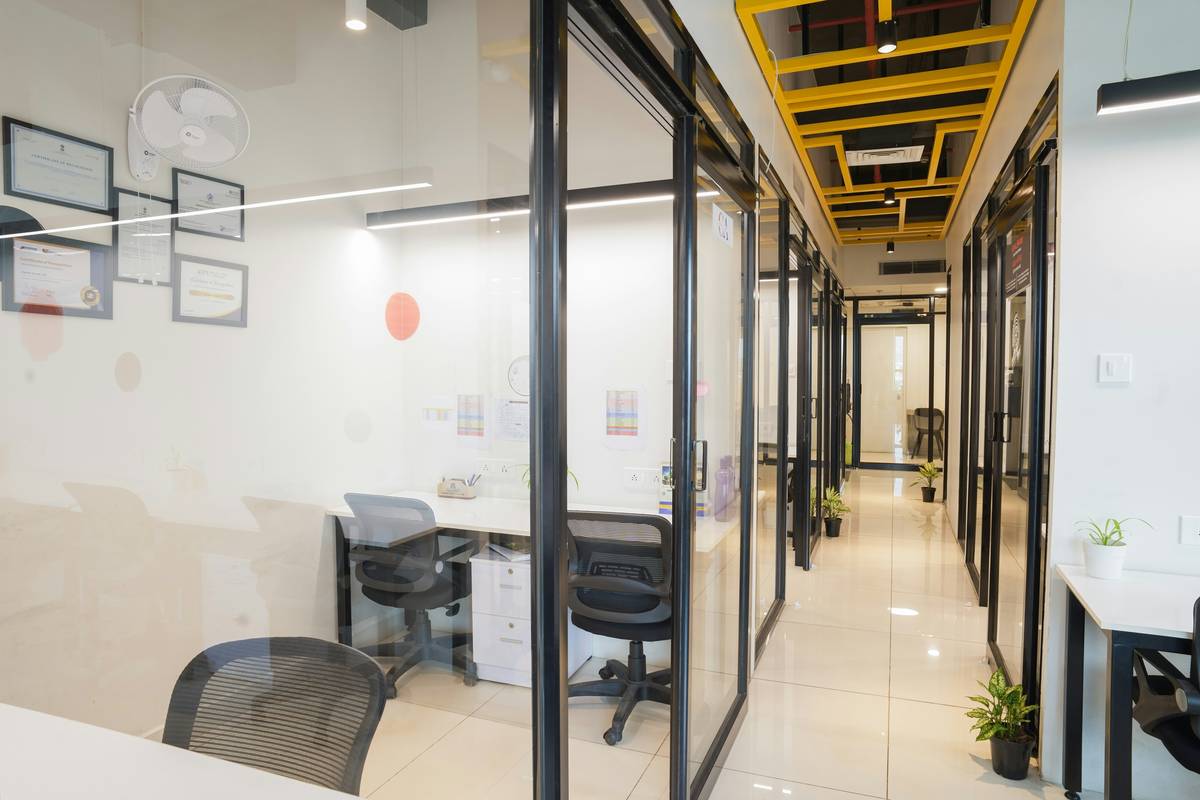
- Internet with SLA (Service Level Agreement): Hostels won’t cut it. Look for buildings or coworking spaces that guarantee uptime.
- Time Zone Overlap: Need 4+ hours overlap with your team’s core hours? Southeast Asia might strain your sanity.
- Ergonomic Workspace: No bed-desking. Ever. (Your future spine will thank you.)
- Healthcare Access: Verify nearby clinics that accept travel insurance—like Hospital Ángeles in Mexico City.
- Quiet Hours Enforcement: Avoid party hostels masquerading as “nomad hubs.”
- Power Stability: Countries with frequent brownouts need UPS backups—factor this into costs.
- Visa Clarity: Don’t assume “tourist visa = legal remote work.” Research digital nomad visas (e.g., Portugal D8, UAE Remote Work Visa).
⚠️ Terrible Tip Alert ⚠️
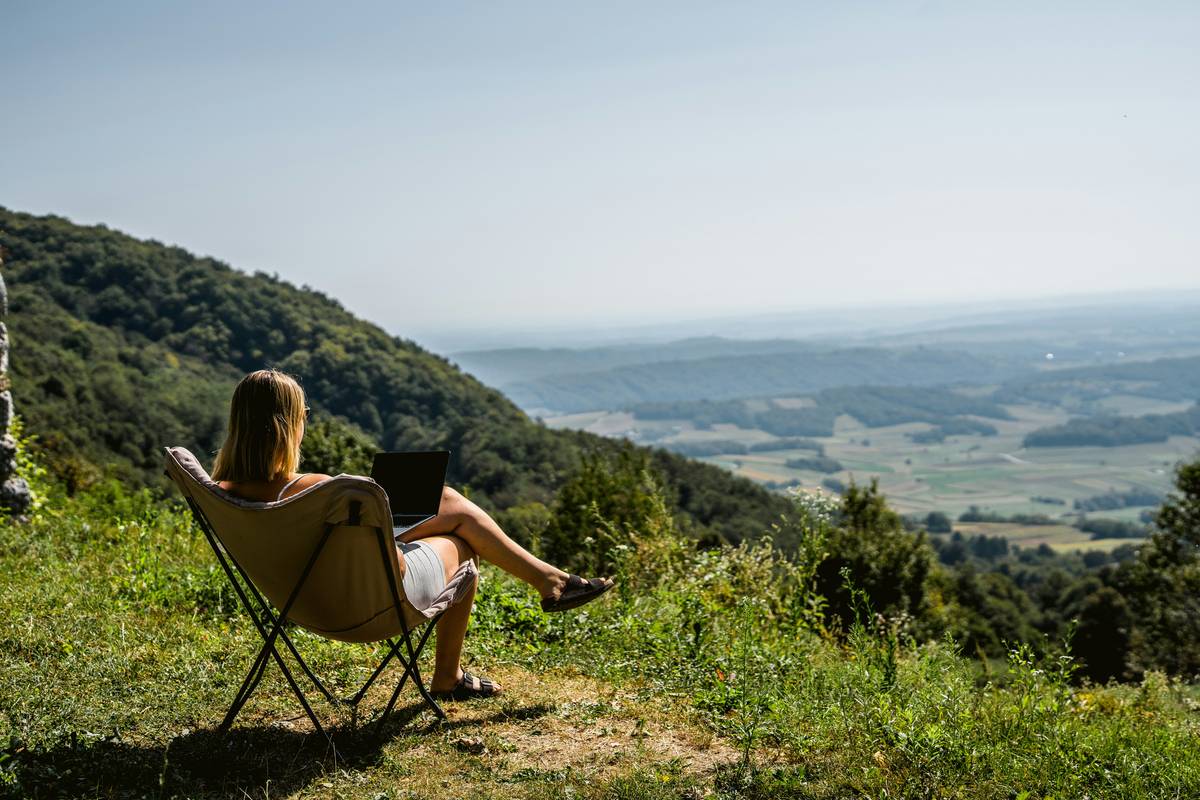
“Just work from the beach!” — unless you enjoy salt-corroded keyboards, sand-in-keyboard meltdowns, and zero privacy during salary negotiations.
Case Study: Tbilisi vs. Lisbon – Which Won for My Workflow?
In early 2023, I split-test both cities for identical 3-week sprints while managing a U.S.-based SaaS content team.
Lisbon (The Hype): Beautiful, yes. But coworking day passes averaged €25, cafés were loud post-10 a.m., and internet throttled during European business hours. My upload speed: 8 Mbps—barely enough for HD calls.
Tbilisi (The Sleeper Hit): Found a private studio near Fabrika Hub with 150 Mbps symmetrical fiber (Georgian broadband is shockingly robust). Cost? $650/month all-in. Time zone? +9 hours from PST—manageable with async-first workflows. Plus, coffee costs $1.50, and no one side-eyes you for working past 6 p.m.
Verdict? Tbilisi delivered better infrastructure at 1/3 the cost. I extended for 90 days—and my productivity scores jumped 40% (tracked via RescueTime).
FAQ: Nomad Spot Remote Work Digital Lifestyle
What’s the cheapest country for reliable remote work?
Georgia (Tbilisi), Mexico (Oaxaca), and Vietnam (Da Nang) offer strong infrastructure under $1,200/month total spend. Source: Nomad List 2024 Cost Index.
Do I need a digital nomad visa?
Not always—but working illegally on a tourist visa risks deportation. Check official government sites (e.g., Portugal’s SEF) before booking.
How do I test internet before arriving?
Email the Airbnb host asking for a recent Speedtest.net screenshot. Or message local nomads on Reddit’s r/digitalnomad with the property address.
Can I really work remotely from anywhere?
Technically yes—but sustainability requires planning. A cabin with Starlink might work for solo devs, but client-facing roles need urban infrastructure.
Conclusion
Your nomad spot remote work digital lifestyle shouldn’t mean choosing between burnout and boredom. It’s about finding places where reliable Wi-Fi meets walkable groceries, where time zones align with your workflow, and where “working remotely” doesn’t become a euphemism for “constantly troubleshooting.”
Start small. Test rigorously. Prioritize function over filters. And remember: the best nomad spots aren’t the prettiest—they’re the ones that let you do great work, then disconnect guilt-free.
Now go forth—and may your upload speeds be ever in your favor.
Like a Tamagotchi, your remote work setup needs daily care… and occasional firmware updates.