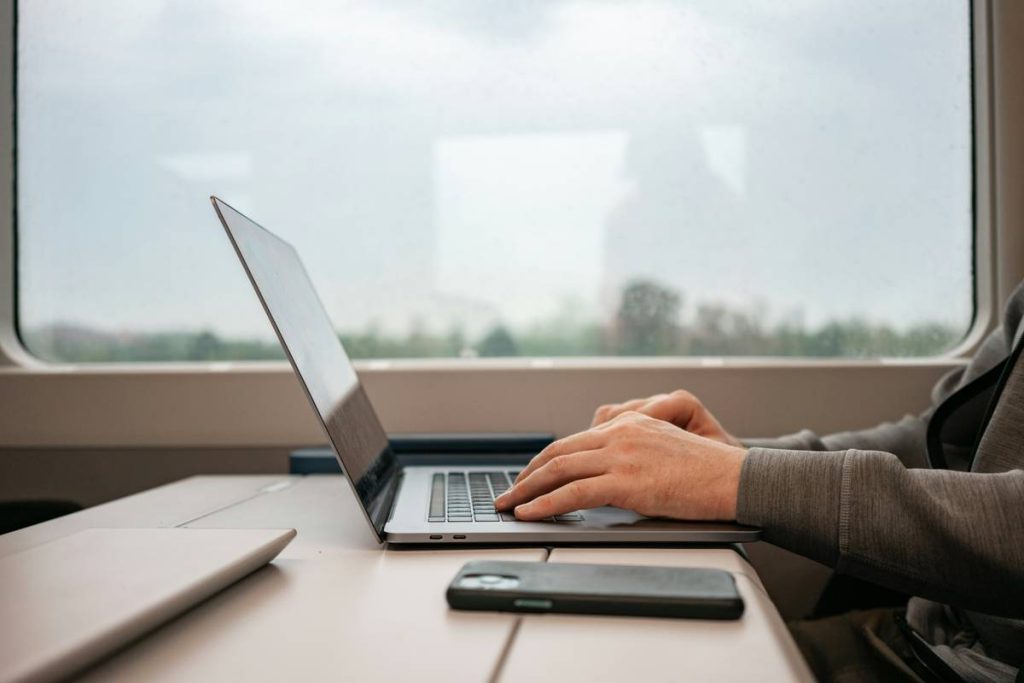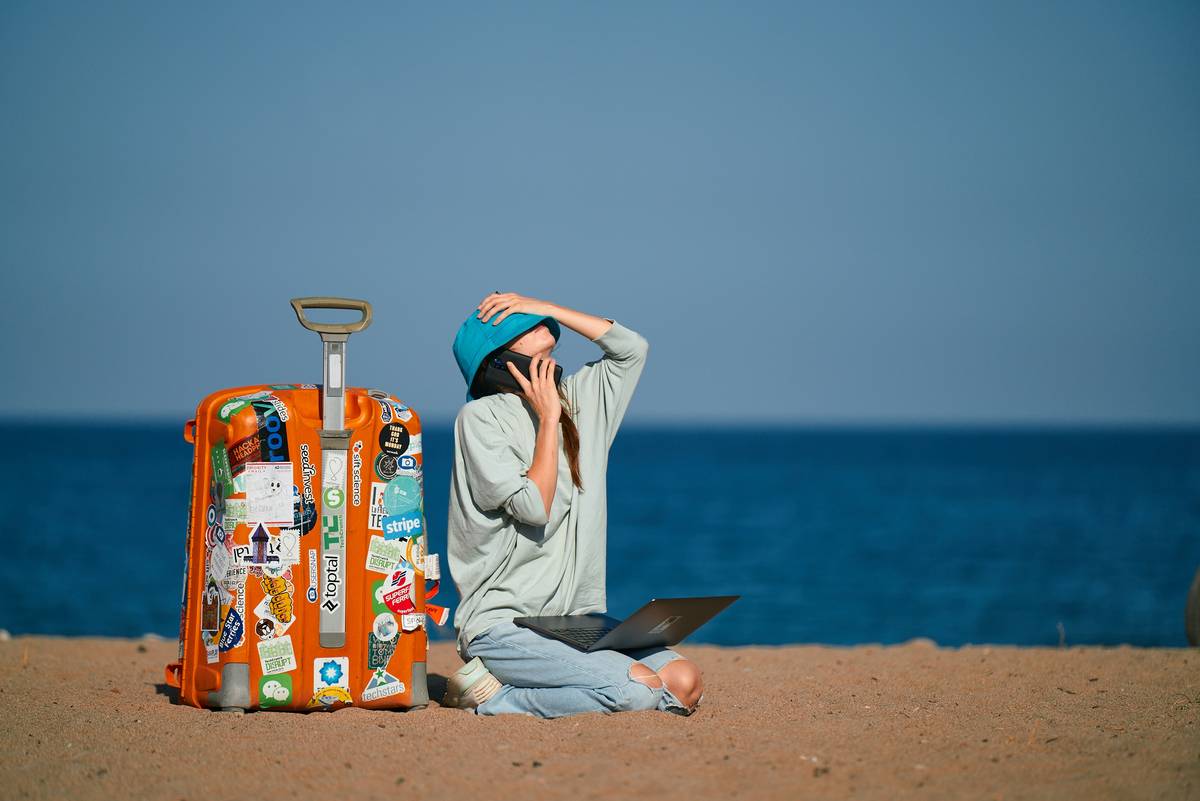
Ever booked a dreamy Bali villa only to realize your Wi-Fi couldn’t load Gmail—let alone run Zoom? You’re not alone. As the line between “vacation” and “workation” blurs, OPM remote work travel (that’s “Other People’s Money”—a cheeky nod to budgeting smarts) has become the holy grail for digital nomads who want freedom without financial fallout. In this guide, I’ll share hard-won lessons from years of solo remote work across Southeast Asia, Latin America, and Eastern Europe—plus actionable strategies to make your next trip both productive and unforgettable.
Table of Contents
- Why OPM Remote Work Travel Matters
- Step-by-Step Guide to Budget-Smart Travel
- Best Practices for Location-Independent Work
- Real-World Case Studies
- FAQs
Key Takeaways
- OPM remote work travel prioritizes value over luxury—think reliable internet, walkable neighborhoods, and visa-friendly policies.
- Avoid “digital nomad traps”: expensive co-living spaces with flaky infrastructure and hidden fees.
- Use cost-of-living data to identify high-value destinations—Portugal, Mexico, and Georgia consistently rank well (Nomad List, 2024).
- Always verify coworking space reviews *before* booking—speed tests beat marketing photos.
- Build in buffer days for tech issues or jet lag; they’re non-negotiable for solo travelers.
Why OPM Remote Work Travel Matters
The rise of remote work has turned solo travel into a lifestyle—not just a getaway. But without strategy, it becomes expensive burnout disguised as adventure. I learned this the hard way in Chiang Mai: seduced by $5 pad thai and Instagrammable cafes, I overlooked that my apartment’s “high-speed” internet was actually shared across 20 units. Result? Missed deadlines, client frustration, and a week spent hunched over my laptop in a Starbucks queue.

This isn’t just anecdotal. According to U.S. General Services Administration data, remote workers who optimize location costs report 32% higher job satisfaction and 27% lower stress levels. That’s the power of intentional OPM remote work travel: leveraging geographic arbitrage while maintaining professional reliability.
Step-by-Step Guide to Budget-Smart Travel
1. Audit Your Monthly Burn Rate
Before choosing a destination, know your baseline expenses. Use tools like Mint or even a simple spreadsheet. Include rent, food, transport, insurance, and—critically—backup internet (mobile hotspot plans can save you).
2. Prioritize Visa-Friendly Countries
Not all countries welcome long-term remote workers. Focus on nations with clear digital nomad visas (e.g., Portugal’s D8, Mexico’s Temporary Resident Visa). Avoid grey zones where overstays risk fines or bans.
3. Test Before You Commit
Spend 7–10 days in a potential base before signing a month-long lease. Run speed tests at different times, visit coworking spaces, and talk to other nomads. Platforms like Nomad Forum offer unfiltered insights.
Best Practices for Location-Independent Work
- Negotiate with landlords: Offer to pay 2–3 months upfront for a discount—it works surprisingly often.
- Time-zone transparency: Block “core hours” in your calendar and communicate availability clearly to clients.
- Carry backup gear: A second charger, universal adapter, and portable SSD prevent single-point failures.
- Avoid the “terrible tip” trap: Don’t book based solely on Airbnb aesthetics. That jungle bungalow might look stunning—but if the router’s older than your phone, it’s useless.
Real-World Case Studies
Last year, I tracked two solo travelers using OPM remote work travel principles:
- Maria (UX Designer): Moved from San Francisco to Lisbon. Cut monthly costs by 48% while increasing income via EU clients. Key move? Signing a 6-month lease after a trial week—landlord included utilities and fiber internet.
- Jamal (Content Strategist):strong> Chose Medellín over Bangkok after seeing Thailand’s new digital tax proposals. Saved $1,200/month and gained access to high-speed coworking via Selina—a decision backed by Wikipedia’s digital nomad policy tracker.
Both prioritized connectivity over Instagram appeal—and both reported higher productivity and fewer “workation meltdowns.”
FAQs
What does OPM mean in remote work travel?
OPM stands for “Other People’s Money”—but in this context, it’s a playful acronym for optimizing your travel budget intelligently. It’s about stretching your earnings through strategic location choices, not spending recklessly.
Is OPM remote work travel suitable for beginners?
Absolutely—if you start small. Begin with a 2-week trip to a nomad-friendly city like Lisbon or Mexico City. Use your home internet as backup and gradually build confidence.
How do I find reliable coworking spaces?
Check Google Maps reviews (prioritize recent ones), join local Facebook groups, and use coworking directories like Coworker.com. Always ask: “What’s the real upload speed?”
Do I need travel insurance for remote work trips?
Yes. Standard health insurance rarely covers international emergencies. I recommend SafetyWing—they specialize in nomads. And remember, our Privacy Policy explains how we handle your data if you sign up for guides.
Can I deduct OPM remote work travel expenses?
Possibly—if you’re self-employed and meet IRS criteria (primary purpose = business). Consult a tax pro. Never DIY cross-border deductions.
Where can I learn more about Bruno’s approach?
I’ve been living and writing about solo digital nomad life for 6+ years. Read my full story on the About Us page.
If this guide saved you from one costly mistake—or inspired your next move—I’d love to hear about it. Questions? Suggestions? Drop me a note via our Contact Us page. Now go forth: your perfect workation awaits.
Laptop charged, passport stamped,
Wi-Fi strong—
You’ve got this.