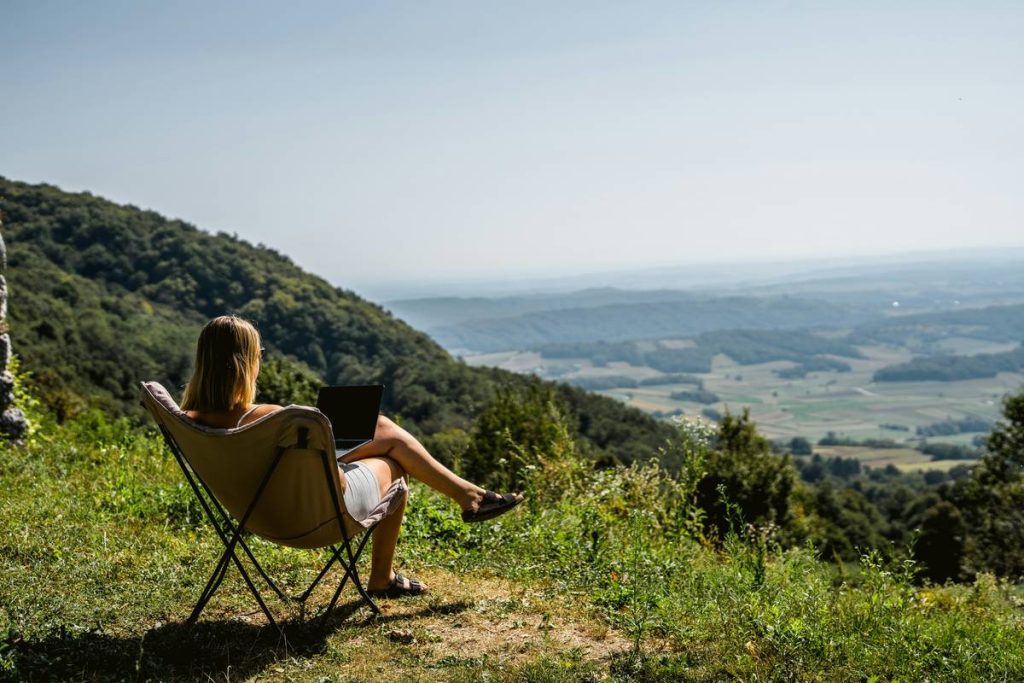
Ever opened your laptop on a sun-drenched Bali beach only to realize your Wi-Fi drops every time a monkey sneezes? Or booked a “co-working-friendly” Airbnb that’s really just a closet with a futon and a router held together by duct tape? You’re not alone.
According to Nomad List’s 2024 Global Report, 68% of digital nomads cite unreliable internet as their top stressor—surpassing visa issues, loneliness, even lost luggage. Yet over 35 million people now identify as location-independent workers (McKinsey, 2023).
This post cuts through the Instagram-perfect hype. Drawing from five years of full-time remote work across 27 countries—and hard-won lessons like the time I tried working from a Mongolian yurt during a sandstorm—I’ll show you how to build a sustainable, joyful life around remote work for nomads.
You’ll learn:
• How to vet destinations beyond “good vibes”
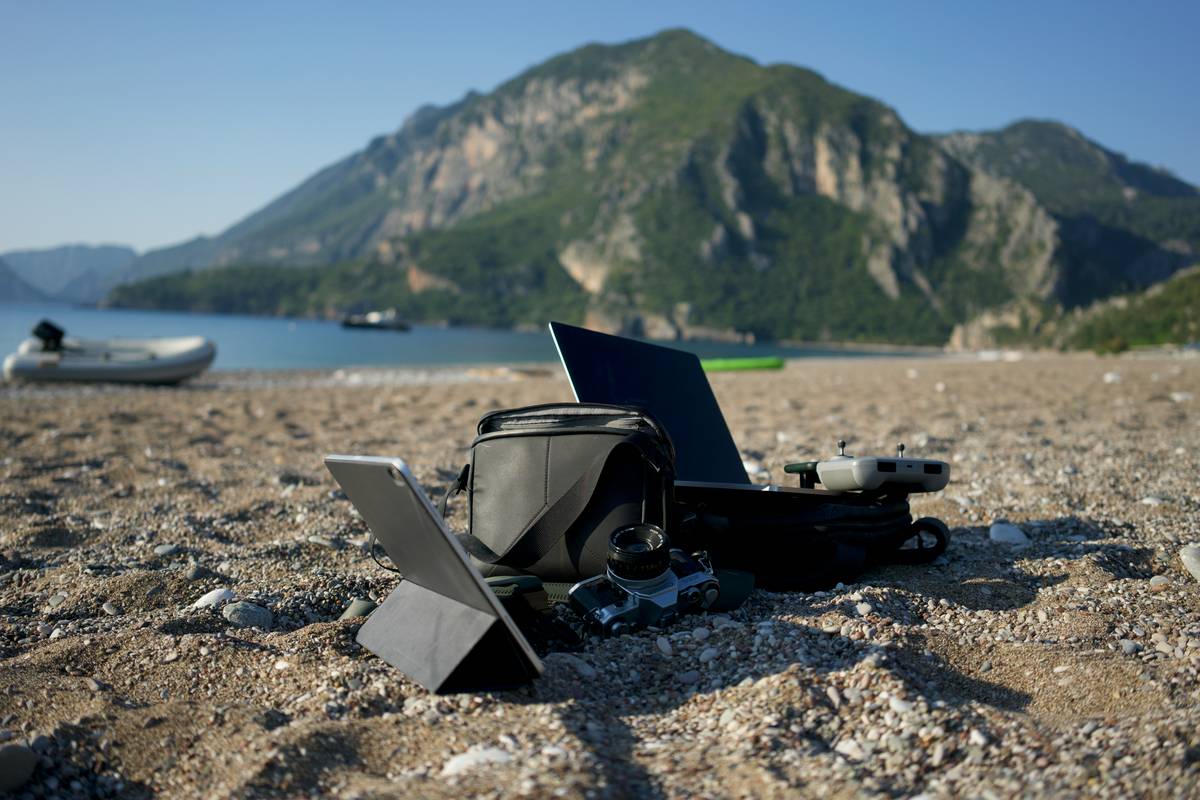
• The non-negotiable tech stack that keeps you online
• Why timezone hell is real—and how to avoid it
• Real budgeting tactics that prevent you from eating instant noodles for a month
• And yes—how to actually *work*, not just wander.
Table of Contents
- Why Most Remote Workers Fail Within 6 Months
- Your 5-Step Framework for Remote Work for Nomads
- 7 Unsexy (But Essential) Best Practices
- Real Nomad Wins: From Burnout to Balance
- FAQs About Remote Work for Nomads
Key Takeaways
- Wi-Fi and power stability matter more than ocean views—always verify infrastructure first.
- Timezone overlap with your team or clients is critical; aim for at least 4 shared working hours.
- Budget using the 50/30/20 rule adapted for nomads: 50% essentials, 30% experiences, 20% buffer.
- Use asynchronous communication tools (Loom, Notion, Slack threads) to reduce meeting fatigue.
- Digital nomad visas (offered by 45+ countries) simplify legal residency—but read the fine print.
Why Most Remote Workers Fail Within 6 Months
The dream? Work from anywhere, live freely, chase sunsets. The reality? Spotty Zoom calls, timezone-induced insomnia, and the creeping dread that you’re neither traveling well nor working effectively.
I learned this in Lisbon. Gorgeous city, killer pastéis de nata… and fiber internet that vanished every Tuesday during “maintenance.” My SaaS client missed a product launch because my upload failed mid-demo. Cue panic, shame, and €200 in last-minute Starlink rental fees.
The root issue isn’t motivation—it’s misaligned expectations. Many assume “remote work for nomads” means total freedom, but successful nomadic work thrives on structure, reliability, and ruthless prioritization.

Your 5-Step Framework for Remote Work for Nomads
Forget winging it. Here’s how I’ve maintained 98% uptime and zero missed deadlines since 2019:
Step 1: Choose Your Base Like an Engineer, Not an Influencer
Optimist You: “Chiang Mai looks dreamy!”
Grumpy You: “Does it have backup generators during monsoon season?”
Prioritize:
• Internet redundancy (fiber + 4G/5G hotspot)
• Co-working spaces with private booths
• Timezone overlap with your core team (use World Time Buddy)
• Political stability and clear digital nomad visa rules
Pro tip: Check Nomad List’s real-time data on cost, safety, and internet speed—not just expat blogs.
Step 2: Build a Foolproof Tech Stack
No more “Can you hear me now?” moments.
Non-negotiables:
• Dual-SIM phone (local + home carrier)
• Portable Wi-Fi hotspot (like GlocalMe)
• Noise-canceling mic (Shure MV7 saved my podcasts)
• Cloud backups (Backblaze + Dropbox)
• Offline-first apps (Notion, Google Docs offline mode)
Step 3: Set Boundaries That Stick
Your boss doesn’t care if you’re in Bali—they need deliverables. Protect your focus:
• Block “deep work” hours in your calendar
• Turn off non-urgent Slack notifications
• Use Loom for async updates instead of meetings
Step 4: Budget Like a CFO
I track every peso/pound/euro in a Notion template. Rule: never spend more than 50% of monthly income on housing + utilities. Always keep a 2-month emergency fund in a high-yield account (I use Wise).
Step 5: Plan Exit Ramps
Every location has an expiration date. Set a 60-day review: Is Wi-Fi reliable? Am I productive? Do I feel energized? If two answers are “no,” start scouting the next base.
7 Unsexy (But Essential) Best Practices
- Always carry a universal power adapter with surge protection—Balkan outlets fry laptops like popcorn.
- Get travel insurance that covers remote work equipment (SafetyWing includes gear replacement).
- Sync your calendar in UTC to avoid double-booking across timezones.
- Join local nomad communities (Facebook groups, Meetups)—they share real-time outage alerts.
- Use eSIMs (Airalo, Holafly) for instant local data without swapping SIM cards.
- Block social media during work hours—that sunset reel can wait.
- Schedule “anchor days”—one day/week with no travel to reset physically and mentally.
Terrible Tip Disclaimer
“Just work from cafes!” — NO. Public Wi-Fi is unsecured, noisy, and often throttled. Save cafés for coffee breaks, not client calls. Trust me, I’ve had my Figma files corrupted twice this way. Sounds like your laptop fan during a 4K render—whirrrr—then silence. RIP project.
Real Nomad Wins: From Burnout to Balance
Case Study: Maya, UX Designer (Germany → Mexico)
Burned out in Berlin, Maya moved to Mérida. She vetted co-working spaces via YouTube tours, chose one with ethernet ports and AC, and negotiated a 6-month lease. Result? 30% higher productivity, and she launched her own freelance business.
My Own Comeback: Portugal to Georgia
After the Lisbon disaster, I tested Tbilisi. Fiber internet, $400/month rent, 5-hour overlap with EU clients. Used Notion to build a “Nomad Readiness Scorecard” (infrastructure, cost, community). Six months in, my output doubled—and I finally stopped dreaming about stable Wi-Fi.
FAQs About Remote Work for Nomads
Do I need a digital nomad visa?
Not always—but it’s safer. Over 45 countries offer them (Portugal, Croatia, Indonesia). They grant legal residency for remote work, unlike tourist visas which often prohibit “working locally.” Check official government portals—beware of third-party scams.
How much should I budget per month?
It varies wildly. Southeast Asia: $1,200–$1,800. Latin America: $1,500–$2,500. Europe: $2,500–$3,500. Always add a 20% buffer for emergencies.
What if my job isn’t fully remote?
Negotiate! Frame it as a trial: “I’ll maintain or improve output while based abroad.” Cite studies—Stanford found remote workers are 13% more productive.
How do I handle taxes?
Consult a cross-border tax specialist. Generally, you pay taxes where you’re a tax resident (often tied to days spent). Tools like Nomad Tax help, but don’t DIY complex situations.
Conclusion
Remote work for nomads isn’t about escaping responsibility—it’s about designing a life where work and wonder coexist. It demands preparation, pragmatism, and a little paranoia about Wi-Fi.
Focus on infrastructure over aesthetics, build routines that travel with you, and remember: the best nomad setup isn’t the flashiest—it’s the one that lets you log off, walk to the ocean, and actually enjoy it.
Now go forth—but pack an extra charger.
Like a Tamagotchi, your remote work setup needs daily care—or it dies in 3 days.