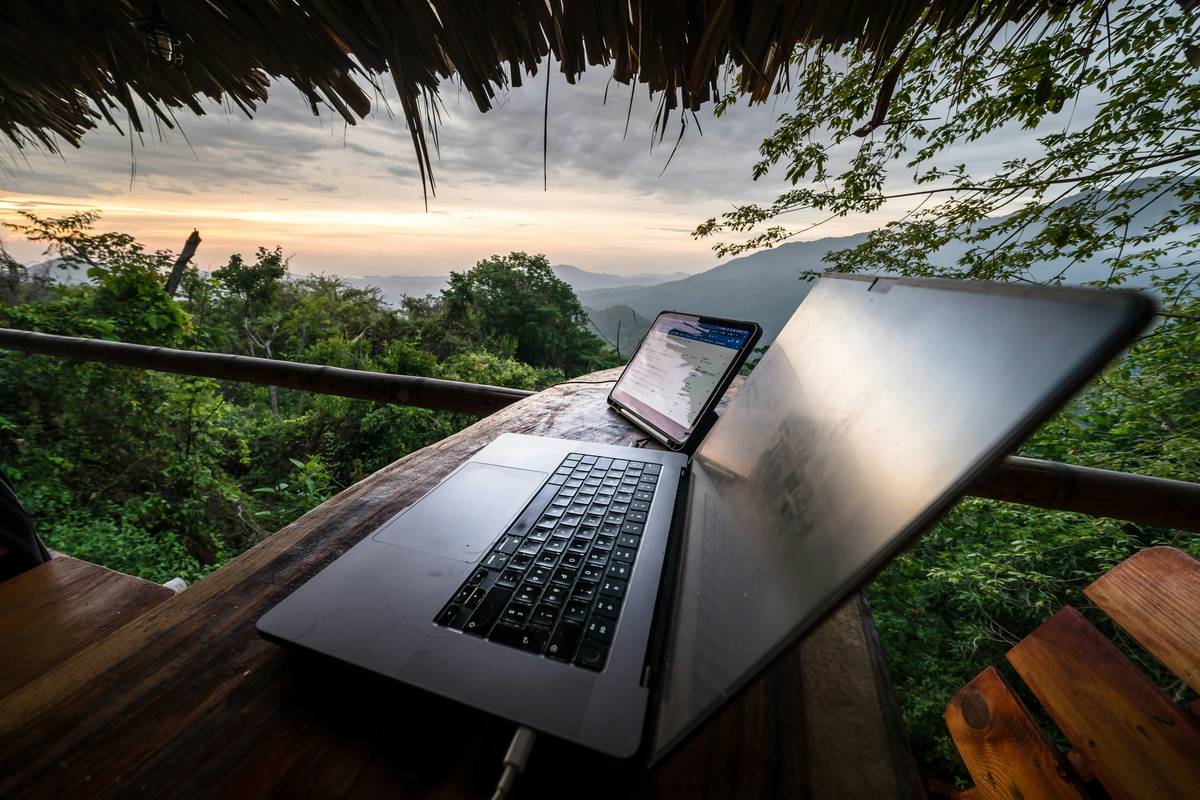
If you’re dreaming of swapping your cubicle for a beachside café while still earning a steady income, you’re not alone. But here’s the hard truth: becoming a remote work from home travel agent sounds glamorous—until you realize most newbies burn out within six months due to poor planning, unreliable internet, or visa missteps. I learned this the hard way when I tried working from Bali with only a tourist visa and ended up scrambling to renew my passport mid-project. This guide cuts through the fluff and delivers actionable strategies so you can build a sustainable digital nomad career without the painful pitfalls.
Table of Contents
- Why Remote Work Travel Fails (And How to Fix It)
- Your Step-by-Step Launch Plan
- Top Best Practices for Long-Term Success
- Real Results from the Field
- Frequently Asked Questions
Key Takeaways
- You don’t need a traditional office—just reliable Wi-Fi, clear boundaries, and legal work authorization.
- Visa compliance is non-negotiable; many countries now offer digital nomad visas.
- Treating your travel agent business like a real business—not a side hustle—is the difference between survival and success.
- Budgeting must account for variable costs like co-working spaces, local SIM cards, and emergency flights.
Why Remote Work Travel Fails (And How to Fix It)
The fantasy of being a remote work from home travel agent often ignores reality: inconsistent connectivity, time zone chaos, and client expectations that don’t align with your sunset view. According to Nomad List, over 60% of digital nomads cite “unreliable internet” as their top stressor. Worse, many operate in legal gray areas—working remotely on tourist visas, which violates immigration laws in places like Thailand and Spain.

I once booked a month-long stay in Lisbon assuming coworking spaces were plentiful—only to find my Airbnb had spotty Wi-Fi and no backup options. My client calls dropped constantly, and I lost a major referral. Don’t let logistics sabotage your dream.
Your Step-by-Step Launch Plan
1. Verify Legal Work Status
Never assume a tourist visa allows remote work. Countries like Portugal, Croatia, and Mexico now offer official digital nomad visas. Check government portals like Portugal’s SEF website or the U.S. Department of State’s travel advisories for updated rules.
2. Build a Portable Tech Stack
Use cloud-based tools: Google Workspace for email/docs, Trello for client itineraries, and Zoom for virtual consultations. Always carry a portable Wi-Fi hotspot and dual-SIM phone for backup connectivity.
3. Set Client Expectations Early
Clearly state your working hours (e.g., “I respond Mon–Fri, 9 AM–5 PM EST”) in your email signature and onboarding docs. Time zone converters like WorldTimeBuddy help avoid midnight calls.
Top Best Practices for Long-Term Success
- Track every expense: Use apps like Trail Wallet to monitor costs across currencies.
- Network locally: Join digital nomad meetups via Meetup.com or Facebook groups to find vetted co-working spots.
- Never skip insurance: Get international health coverage—World Nomads offers plans starting under $50/month.
- Avoid this terrible tip: “Just use free café Wi-Fi for client calls.” Public networks are insecure and unstable. Invest in a paid eSIM or local data plan instead.
Real Results from the Field
Sarah K., a former corporate travel coordinator, transitioned into a full-time remote work from home travel agent in 2022. By targeting luxury adventure clients and using SEO-optimized content on her niche site (similar to ours at Bruni Luciano’s About Us), she grew revenue by 140% in one year—all while living in Medellín and Chiang Mai. Her secret? She only accepts clients in her core time zone and charges premium rates for after-hours requests.
Meanwhile, Marco T. failed within three months because he refused to register his business entity. When a client disputed a refund, he had no legal recourse. Always formalize your operations—our Privacy Policy page shows how we protect client data transparently, building trust from day one.
Frequently Asked Questions
Can I really work as a travel agent remotely from any country?
Only if local laws permit it. Many nations allow remote work for foreign employers but ban serving local clients without a license. Always research immigration policies before booking flights.
Do I need special software to manage bookings?
Yes. Platforms like TravelJoy or TravelTripper integrate with global distribution systems (GDS) and automate itinerary creation—critical when you’re juggling time zones.
How do I handle client emergencies while traveling?
Set an auto-responder with urgent contact protocols and partner with a backup agent in your home country. Transparency prevents panic.
Is “remote work from home travel agent” a viable long-term career?
Absolutely—if you treat it like a business, not a vacation. Revenue stability comes from niching down (e.g., eco-tours or luxury honeymoons) and consistent marketing.
What’s the biggest mistake new remote travel agents make?
Underestimating setup costs. Budget for a professional website, CRM tools, liability insurance, and at least three months of living expenses before earning ramps up.
How do I stay productive while moving frequently?
Routine anchors you. Wake up at the same local time daily, designate work-only devices, and never mix relaxation spaces with workspaces.
Ready to turn your wanderlust into a profitable venture? Don’t navigate this journey alone—contact us for a free consultation on launching your remote travel agent business with confidence.
Wander far, work smart, and always pack extra adapters.