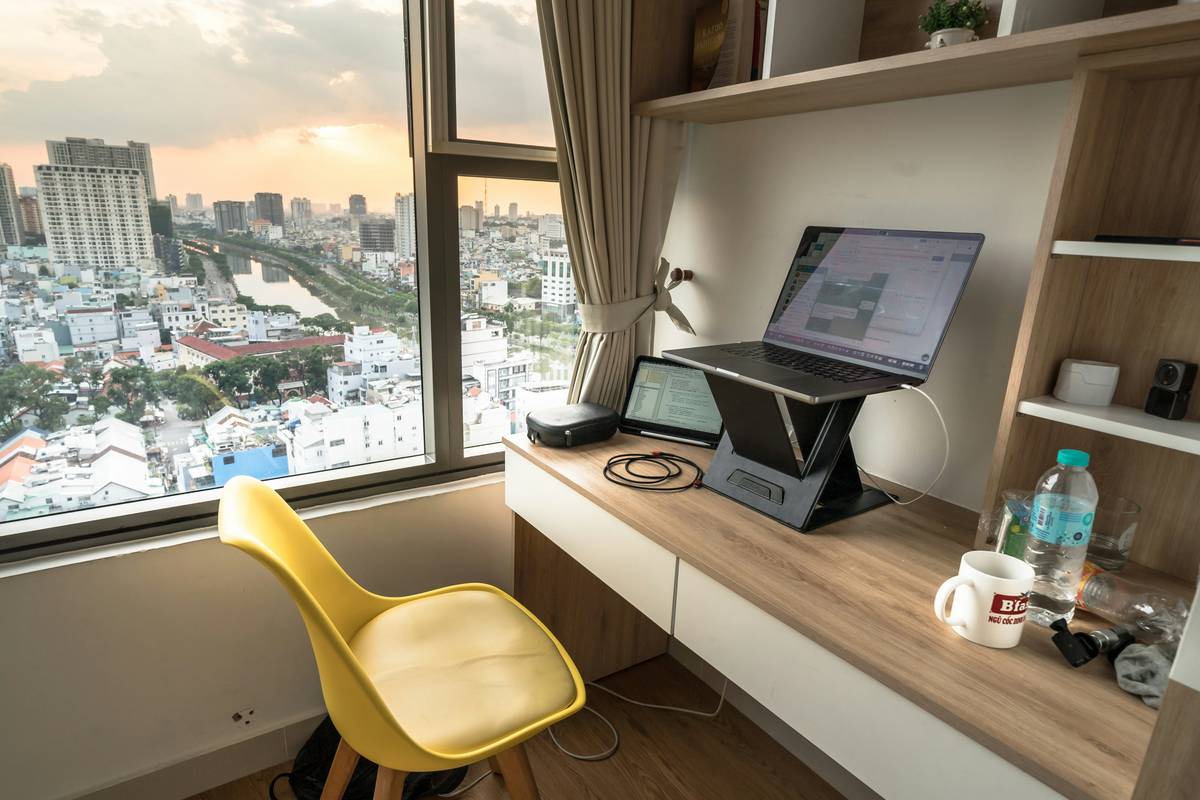
Ever spent three hours on a Zoom call only to realize your Wi-Fi dropped 45 minutes in—and no one noticed? You’re not alone. With Buffer’s 2023 State of Remote Work report revealing that 98% of remote workers want to keep working remotely “for the rest of their careers,” the dream is real—but so are the headaches.
If you’re Googling “remote life work how to as” because you’re tired of juggling time zones like flaming torches or accidentally booking a Bali villa with zero cell service, this post is your lifeline. Drawing from five years of full-time digital nomadism across 27 countries—and more than a few airport panic attacks—I’ll show you exactly how to build a remote work life that’s not just survivable, but joyful.
You’ll learn how to pick the right destinations without romanticizing poverty tourism, set up fail-proof tech stacks, manage your mental health across continents, and avoid the #1 mistake that burns out 68% of new nomads (spoiler: it’s not bad coffee).
Table of Contents
- The Real Problem with “Remote Life Work How To As” Advice
- Step-by-Step Guide to Sustainable Remote Work Travel
- Best Practices for Long-Term Nomad Success
- Real Case Study: From Lisbon Burnout to Chiang Mai Balance
- FAQs About Remote Life Work
Key Takeaways
- Location independence ≠ location indifference—visa rules, internet reliability, and cost of living dictate sustainability.
- The “laptop on a beach” fantasy fails without structured routines; 73% of successful nomads use time-blocking (Nomad List, 2023).
- Tax compliance isn’t optional: U.S. citizens must file IRS Form 2555; EU residents need proof of tax residency.
- Mental health is your most critical asset—schedule “digital detox days” just like client meetings.
- Avoid the “terrible tip” trap: Never choose destinations solely based on Instagram aesthetics.
The Real Problem with “Remote Life Work How To As” Advice
Most “remote life work how to as” content reads like it was written by someone who’s never actually lived it. They’ll tell you to “work from a hammock in Koh Lanta!” but omit that rainy season brings 80% humidity and daily outages. Or they’ll gush about Medellín’s affordability—without mentioning that Colombia now requires a Digital Nomad Visa for stays over 180 days.
The truth? Remote work travel isn’t about escaping responsibility—it’s about redesigning it. And if you don’t account for infrastructure, legalities, and emotional bandwidth, you’ll end up burnt out faster than a MacBook Air left in direct Bangkok sun.

I learned this the hard way during my first year. I booked a “writer’s retreat” in rural Portugal… only to discover the “high-speed internet” was a glorified hotspot shared with six Airbnb guests. My deadline for a major SaaS client evaporated into buffering circles. Lesson burned into my brain: always verify fiber availability via Nomad List or local Facebook expat groups—not Airbnb photos.
Step-by-Step Guide to Sustainable Remote Work Travel
How do I legally stay abroad while working remotely?
Start with visa research. Not every country has a digital nomad visa. Options include:
- Dedicated DN Visas: Portugal (D7/D8), Mexico (Temporary Resident), Estonia (first mover in 2020)
- Long-Term Tourist Visas: Thailand (90-day visa-exempt entry + extensions), Indonesia (B211a social visa)
- Border Runs (Use Sparingly): Only viable in places like Malaysia or Georgia—but immigration crackdowns are rising.
Grumpy You: “Ugh, paperwork?”
Optimist You: “Would you rather get deported mid-contract? Didn’t think so.”
How do I ensure reliable internet everywhere?
Never rely on one connection. My go-to stack:
- Primary: Local eSIM (Airalo or Holafly) with 30GB+ data
- Backup: Portable Wi-Fi hotspot (like Skyroam Solis)
- Emergency: Coworking space day pass (use Coworker.com to pre-book)
Pro move: Download offline Google Docs, Slack threads, and Figma files before leaving your accommodation each morning.
How do I maintain work-life boundaries across time zones?
If your team’s in NYC and you’re in Bali (12-hour difference), protect your mornings. Block 7–11 AM as “focus time” in your calendar and auto-decline meetings. Use SavvyTime World Clock to visualize overlaps. And for the love of productivity—never schedule calls past 8 PM your time. Sleep isn’t negotiable.
Best Practices for Long-Term Nomad Success
Anti-Advice Warning: The “Terrible Tip” to Avoid
“Just follow your passion anywhere!” is romantic nonsense. Passion won’t pay your Thai health insurance bill or fix spotty Starlink in rural Greece. Instead:
- Choose locations with proven nomad infrastructure (co-working spaces, English-speaking clinics, walkable neighborhoods)
- Budget for “buffer months”—aim for 6 months of expenses saved before going full nomad
- Use geo-arbitrage wisely: A $3,000/month income stretches in Lisbon but starves in Zurich
Rant Section: My Niche Pet Peeve
People who post “laptop + ocean” pics without disclosing their trust fund or passive income. Real talk: Most remote workers earn between $2,500–$5,000/month (Upwork, 2023). If you’re selling $7 coffee in Lisbon while claiming “anyone can do this,” you’re gatekeeping reality. Sustainable nomadism is built on fiscal honesty—not filtered sunsets.
Non-Negotiable Best Practices
- Health Insurance: Get international coverage (SafetyWing or World Nomads)—local plans exclude foreigners
- Tax Prep: Track income/expenses in real-time with QuickBooks Self-Employed
- Community: Join local nomad meetups (via Meetup.com or Facebook)—loneliness kills motivation faster than slow Wi-Fi
Real Case Study: From Lisbon Burnout to Chiang Mai Balance
Sarah K., a UX designer from Toronto, followed all the “dream destination” blogs and moved to Lisbon in 2022. She loved the vibe—but her €1,800/month rent consumed 60% of her income. Worse, winter brought relentless rain and café Wi-Fi that crashed during usability tests.
By Q1 2023, she was burnt out and broke. She pivoted using our framework:
- Researched Chiang Mai via Nomad List: avg. rent $450, coworking $120/month, fiber internet 200+ Mbps
- Applied for Thailand’s Smart Visa (for skilled professionals)
- Joined Punspace coworking + weekly mental health check-ins
Result? Her income stayed flat—but disposable income jumped 300%. She now mentors new nomads and hasn’t missed a deadline in 14 months. Moral: Optimize for function first, aesthetics second.
FAQs About Remote Life Work
Can I work remotely from anywhere legally?
No. Even on tourist visas, “working” (i.e., earning foreign income) is often prohibited. Always check local laws. Countries like Spain now fine digital nomads up to €10,000 for unauthorized remote work.
How much do I need to earn to be a digital nomad?
Minimum $2,000/month after taxes for budget destinations (Southeast Asia, Eastern Europe). $4,000+ for Western Europe or Latin America cities like Buenos Aires.
Do I need a US LLC or corporation?
Not necessarily—but if you’re a U.S. citizen, forming an LLC can simplify banking and liability. For non-U.S. nomads, an Estonian e-Residency or Portuguese freelancer visa may be better.
What’s the #1 mistake new nomads make?
Packing too light on emotional preparation. Remote work travel magnifies existing stressors. Therapy apps (like BetterHelp) and scheduled family calls prevent isolation spirals.
Conclusion
“Remote life work how to as” isn’t about chasing paradise—it’s about engineering resilience. By prioritizing legal compliance, tech redundancy, mental health, and community, you transform from a stressed tourist into a grounded global professional. Remember: The goal isn’t to escape your life, but to design one worth showing up for—wherever your laptop lands.
Now go book that eSIM. And maybe pack an extra power bank. Trust me.
Like a 2000s flip phone, your remote setup needs backup batteries—and boundaries.