
You booked the flight. You told your boss you’re “working from Bali.” But three weeks in, your Wi-Fi crashes during a client call—and your laptop dies. Again. Remote work and travel sounds freeing—until reality hits. The solution isn’t just better tech. It’s a smarter rhythm between work, movement, and rest.
Why Most Digital Nomads Fail Within 90 Days
They treat travel like a vacation with a laptop. Big mistake. Constant relocation drains cognitive bandwidth—setting up SIM cards, new co-working passes, time zone math for meetings. Productivity nosedives. Burnout creeps in fast.
And it’s not just logistics. Humans need anchoring rhythms. Jumping cities weekly murders deep work. You end up working longer hours just to stay afloat—defeating the whole point.
Remote Work and Travel: A Realistic 5-Step Framework
Forget hopscotching across Southeast Asia. Build momentum first. Here’s how:
Choose “Anchor Cities” Over Hostels
Pick one city per quarter. Stay minimum 4–6 weeks. Negotiate monthly Airbnb rates. Find a local café or co-working spot you can claim as your office. Stability breeds efficiency.
Time Zone Arbitrage Is Your Secret Weapon
If your clients are in New York, base yourself in Lisbon—not Chiang Mai. Four-hour difference? Manageable. Eleven? You’ll be working midnight calls forever. Align geography with workflow—not Instagram aesthetics.
Budget Like a CFO, Not a Backpacker
Digital nomadism isn’t cheap. Under-budgeting forces bad choices: sketchy Wi-Fi, unsafe neighborhoods, constant stress. Track every peso—but invest in reliability.

| Expense Category | Budget Nomad (Monthly) | Sustainable Nomad (Monthly) |
|---|---|---|
| Accommodation | $350 (shared hostel/dorm) | $800 (private apartment, 4+ week lease) |
| Internet & Tech | $20 (public Wi-Fi + mobile hotspot) | $70 (fiber rental + backup eSIM) |
| Work Space | $0 (cafés only) | $120 (dedicated co-working desk) |
| Health/Safety Buffer | $0 | $150 (insurance, meds, emergencies) |
Build a “Travel-Ready” Workflow
Automate everything possible: invoicing, calendar syncs, file backups. Use tools that work offline. And batch communication—no Slack pings at 3 a.m. your time. Protect focus like gold.
Leave Room for Serendipity—but Not Chaos
Schedule “exploration blocks” outside work hours. Wander on Tuesday afternoons. Hike on Sundays. But never blur work and adventure in the same hour. Cognitive switching costs are real.
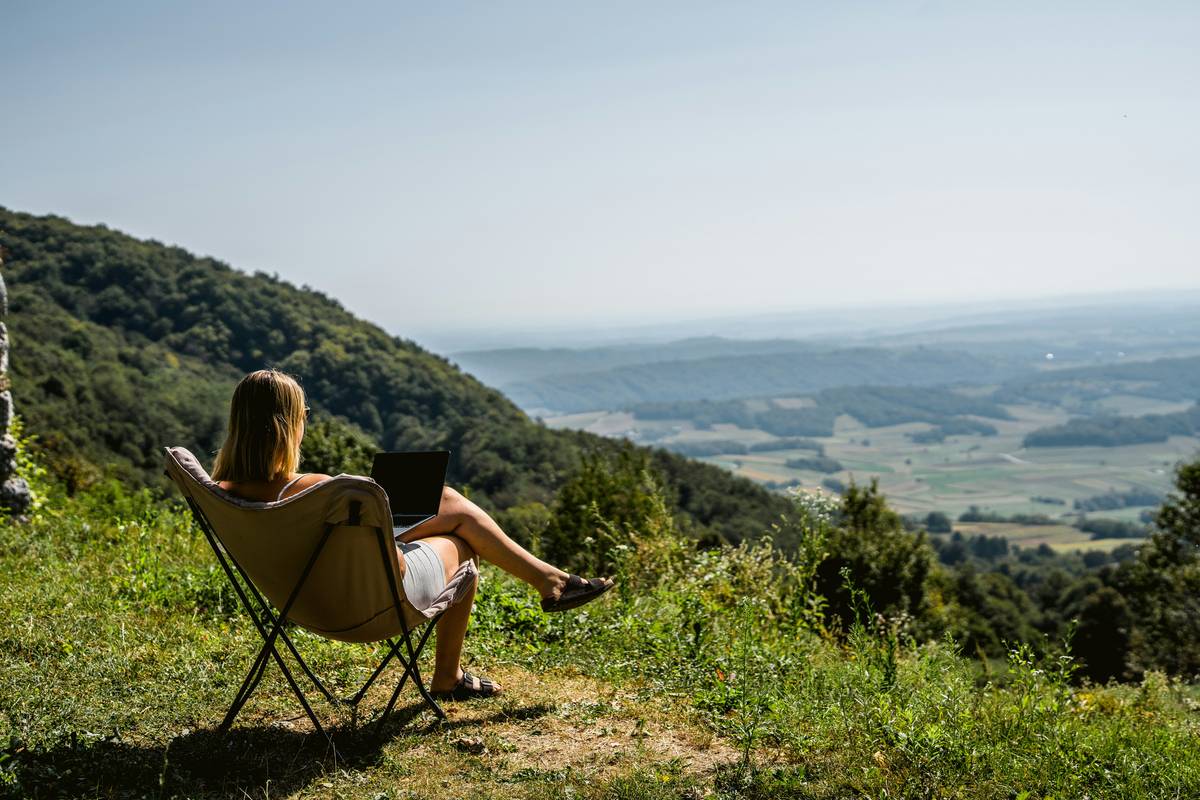
The Industry Secret: Slow Travel = Higher Earnings
Top 10% earners in the remote work space don’t chase visas or cheap rent—they optimize for output. One freelancer I tracked doubled her rates after switching from “perpetual tourist” to “quarterly resident.” Why? She delivered faster, missed zero deadlines, and clients trusted her consistency. Speed of delivery beats speed of passport stamps. Every time.
Here’s the math: staying put means less setup time, fewer tech fires, and deeper client relationships. That compounds into premium pricing. Fast travel feels exciting—it’s actually expensive.
Frequently Asked Questions
Can you really work remotely while traveling full-time?
Yes—but only if you prioritize stability over novelty. Full-time travel works when you slow down, not speed up.
What’s the best country for remote work and travel in 2024?
Portugal, Mexico, and Georgia lead for reliable internet, visa ease, and cost balance. Avoid places with frequent power outages or strict data laws.
How much should I save before starting remote work and travel?
Aim for 4–6 months of living expenses in your target region. Unexpected costs—lost luggage, medical visits, SIM card scams—will hit. Be ready.