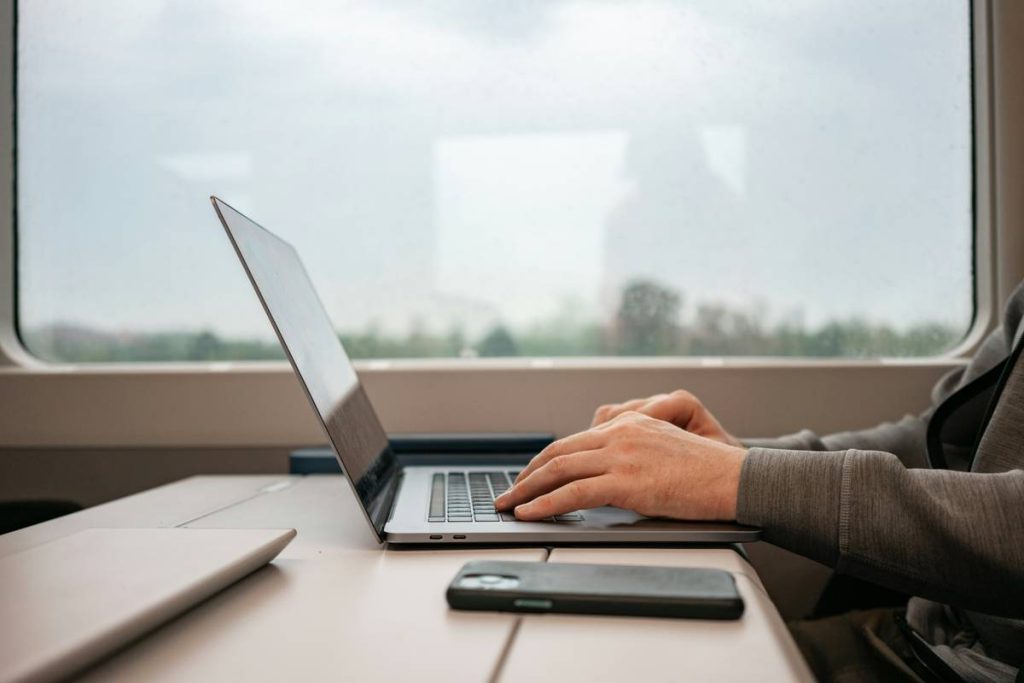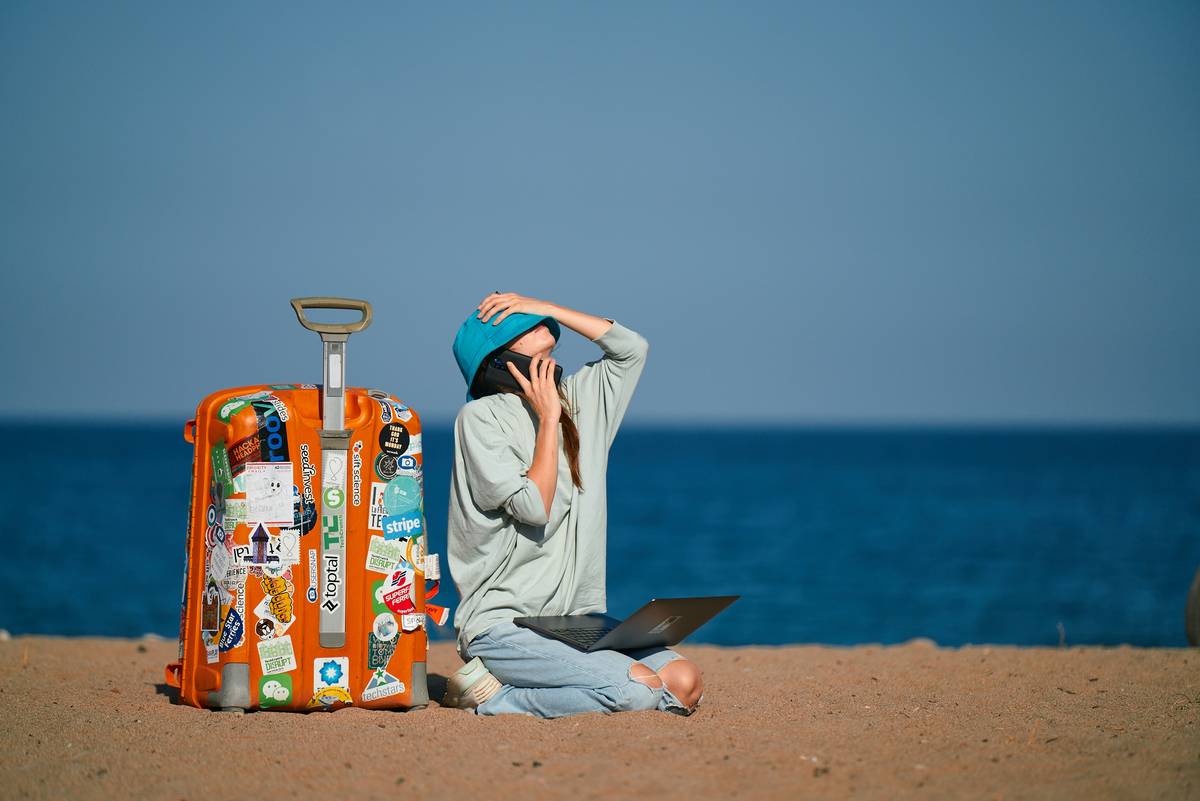
Ever stared out your window dreaming of answering emails from a beach in Bali or joining Zoom calls with the Alps as your backdrop? You’re not alone. But here’s the painful truth: many digital nomads burn out, lose clients, or face visa nightmares within months—all because they skipped the basics. If you’ve ever wondered how to work remotely and travel without sacrificing productivity or sanity, this guide is your lifeline. Based on hard-won lessons (yes, I once got stranded in Lisbon with a dead laptop and no local SIM), we’ll walk through what actually works.
Table of Contents
- Why Remote Work Travel Is Harder Than It Looks
- Step-by-Step Guide to Balancing Work and Wanderlust
- Best Practices for Productive Nomadic Life
- Real-World Success Stories
- Frequently Asked Questions
Key Takeaways
- Location independence requires ruthless planning—not just a laptop and Wi-Fi.
- Time zone mismatches can cost you clients if unmanaged.
- Legal compliance (visas, taxes) is non-negotiable—ignoring it risks deportation or fines.
- Reliable internet isn’t optional; it’s your office.
- Community matters—solo doesn’t mean isolated.
Why Remote Work Travel Is Harder Than It Looks
The Instagram-perfect image of working from a hammock overlooks reality: spotty connectivity, cultural misunderstandings, and the loneliness of transient living. According to a 2023 Nomad List survey, 68% of new digital nomads underestimated the emotional toll of constant relocation. I learned this the hard way in Chiang Mai when my coworking space shut down unexpectedly—mid-deadline—and I spent two days chasing coffee shops with usable bandwidth. That chaos taught me: infrastructure > aesthetics.
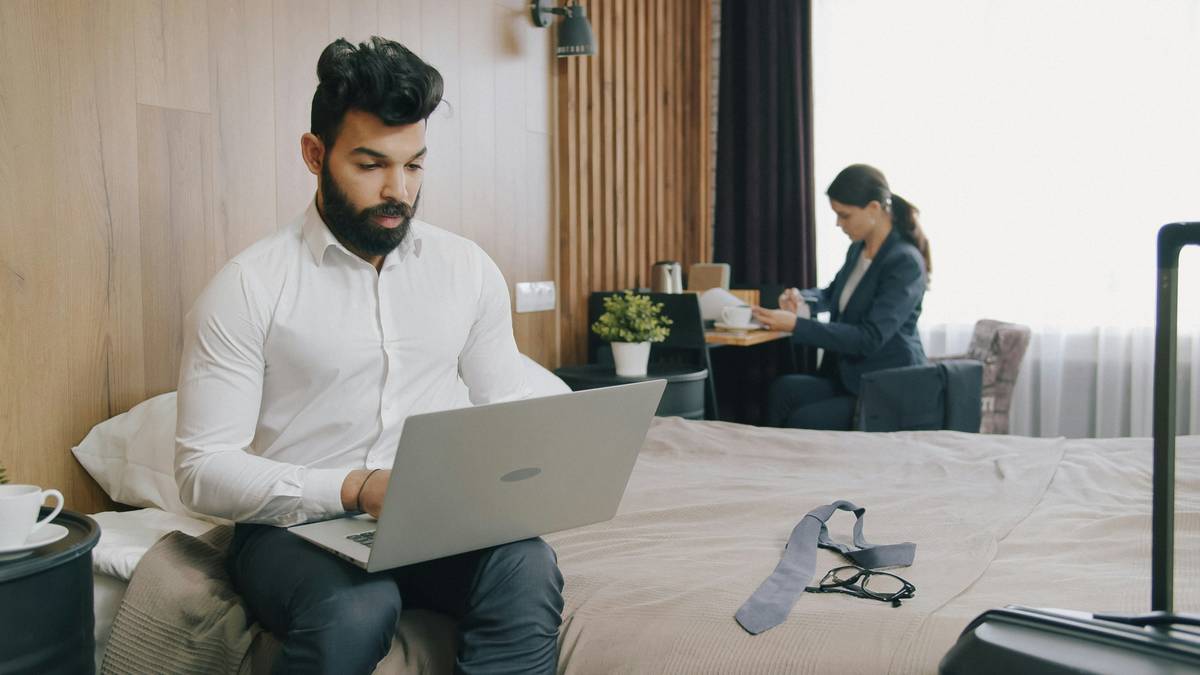
Step-by-Step Guide to Balancing Work and Wanderlust
1. Secure Legal Permissions First
Before booking flights, research visa requirements. Many countries now offer Digital Nomad Visas (e.g., Portugal, Estonia). The U.S. Department of State’s travel site provides updated entry rules. Ignoring this step could lead to denied entry or work bans.
2. Audit Your Job’s Mobility Needs
Not all remote roles are location-flexible. Confirm time zone overlap expectations with your employer or clients. A 4-hour overlap is usually the minimum for collaboration.
3. Build a Mobile Office Kit
Essentials: universal power adapter, portable Wi-Fi hotspot, noise-canceling headphones, and backup batteries. I never leave home without my Anker power bank—it saved me during a 12-hour train delay in Romania.
4. Choose Nomad-Friendly Destinations
Prioritize places with strong English usage, affordable co-living spaces, and fast internet (aim for ≥25 Mbps). Use resources like Nomad List to compare real-time data on costs and connectivity.
Best Practices for Productive Nomadic Life
- Set “Office Hours” Aligned With Home Time Zone: Prevent burnout by sticking to a routine—even if you’re in Bali.
- Backup Everything Daily: Use cloud storage (Google Drive, Dropbox) plus an encrypted external SSD.
- Join Local Nomad Communities: Facebook groups or Meetups ease isolation. I met my current business partner at a coworking happy hour in Medellín.
- Avoid This Terrible Tip: “Work from anywhere!” Nope. Skip hostels with shared dorms for client calls—you’ll sound unprofessional amid snoring strangers.
Real-World Success Stories
Sarah K., a UX designer, spent 14 months traveling through Southeast Asia while maintaining full-time U.S. clients. Her secret? She limited moves to every 6 weeks and pre-booked accommodations with verified fiber internet. Revenue actually increased by 22% due to her expanded global perspective informing design choices. Similarly, according to a McKinsey report, 58% of knowledge workers report higher productivity when given structured flexibility—not total freedom.
Frequently Asked Questions
Can I work remotely from another country legally?
It depends. Tourist visas often prohibit work. Always check if your destination offers a digital nomad visa or remote work permit. When in doubt, consult an immigration attorney.
How do I handle taxes while traveling internationally?
You typically remain liable to your home country’s tax authority (e.g., U.S. citizens must file annually regardless of location). Track income meticulously and consider using tools like Bruni Luciano’s accounting guides for expats.
What’s the best way to find reliable Wi-Fi abroad?
Use apps like Speedtest by Ookla before settling in. Prioritize accommodations advertising “fiber internet” and always have a local SIM with data as backup.
Is solo remote work travel lonely?
It can be—but doesn’t have to be. Stay connected through coworking spaces, online communities, and scheduled video calls with friends. Visit our Contact Us page if you’d like personalized connection tips.
Do I need travel insurance for digital nomad life?
Absolutely. Standard policies may exclude work-related incidents. Get a plan covering gear theft, medical emergencies, and trip interruption. Review terms carefully—see our Privacy Policy for how we handle data if you request insurance recommendations.
In the end, how to work remotely and travel isn’t about escaping responsibility—it’s about redesigning it. Pack your passport, but also your pragmatism. And when doubt creeps in, remember: the world runs on Wi-Fi, willpower, and well-placed coffee breaks.