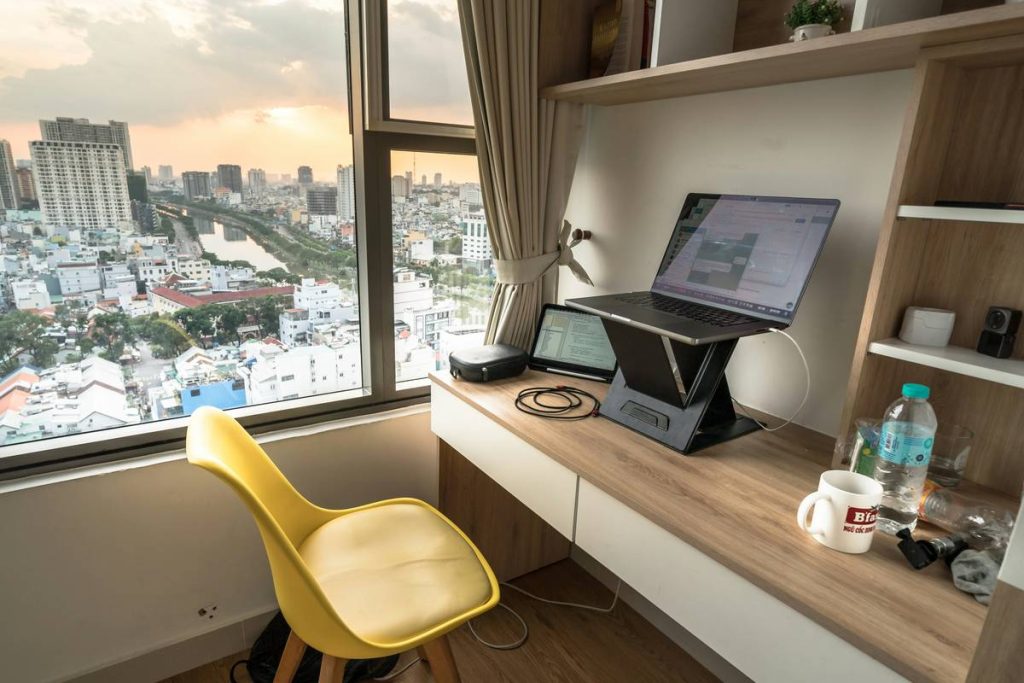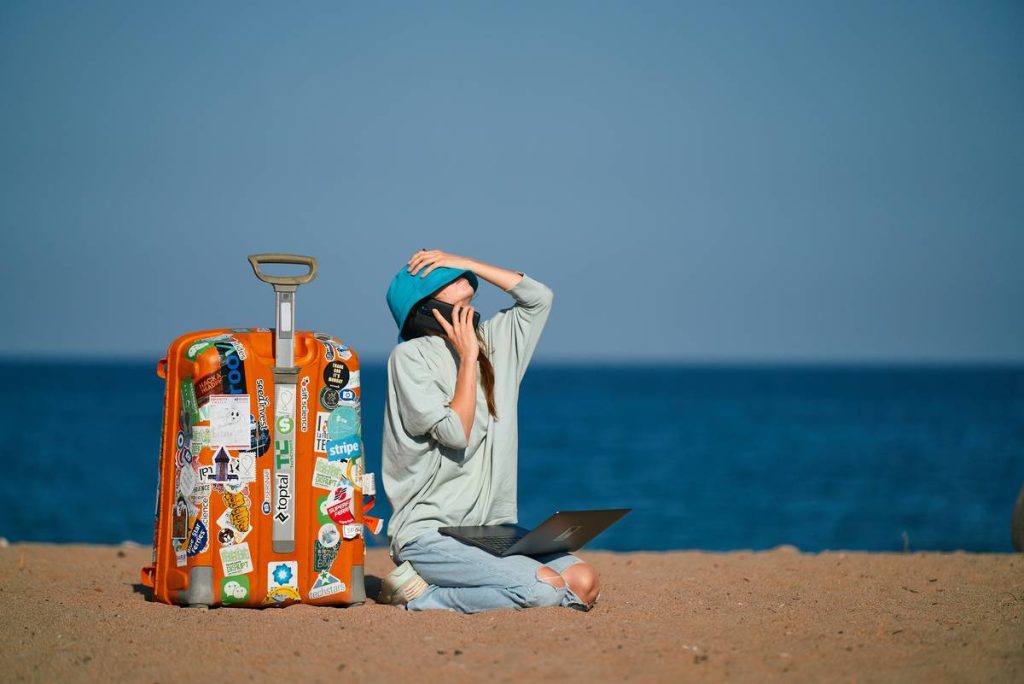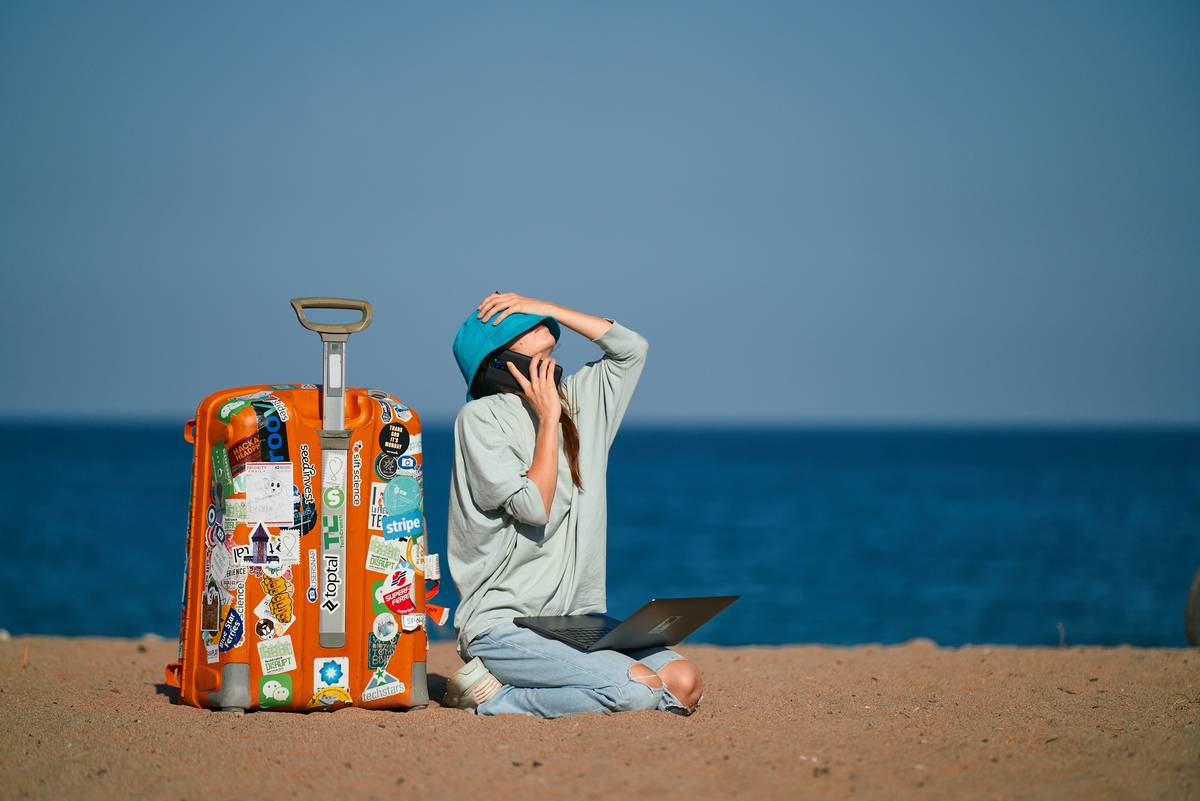
Ever found yourself answering Slack messages from a beach in Bali at midnight—only to realize you haven’t actually *seen* Bali? You’re not alone. For digital nomads, the dream of “working from anywhere” often collides with the reality of blurred boundaries, timezone chaos, and the creeping guilt of never truly logging off. In remote work travel, achieving tips for work life balance remote isn’t just nice—it’s essential for sustainability, mental health, and actually enjoying the places you’ve worked so hard to reach.
This guide cuts through the fluff with battle-tested strategies drawn from real-world stumbles (yes, I once flew to Lisbon only to spend three weeks editing spreadsheets in my Airbnb). We’ll cover mindset shifts, practical routines, and subtle but critical habits that separate thriving nomads from burnt-out ghosts with good Wi-Fi.
Table of Contents
- Why Work-Life Balance Is Harder on the Road
- Step-by-Step Guide to Reclaiming Your Days
- Essential Habits for Sustainable Remote Travel
- Real Results from Digital Nomads Who Got It Right
- Frequently Asked Questions
Key Takeaways
- Timezone hopping without structure leads to chronic fatigue and lost sightseeing opportunities.
- Physical separation between “work space” and “living space” is non-negotiable—even in a studio apartment.
- Scheduling offline blocks is more effective than relying on willpower alone.
- Remote workers who enforce boundaries report 32% higher job satisfaction (American Psychological Association, 2023).
- Travel exhaustion compounds work stress; prioritize recovery as seriously as deliverables.
Why Work-Life Balance Is Harder on the Road
At home, your couch doesn’t double as your desk, and your kitchen isn’t also your conference room. But on the road, context collapse is real: every location becomes both playground and office. Without deliberate design, work bleeds into every hour, and travel becomes backdrop scenery you barely register.
I learned this the hard way in Chiang Mai. Excited by cheap rent and mountain views, I skipped setting any routine. Within days, I was working until 2 a.m. to sync with U.S. clients, waking up groggy, missing sunrise hikes, and eating lukewarm pad thai over Zoom calls. My “adventure” felt like a poorly lit cubicle with better weather.
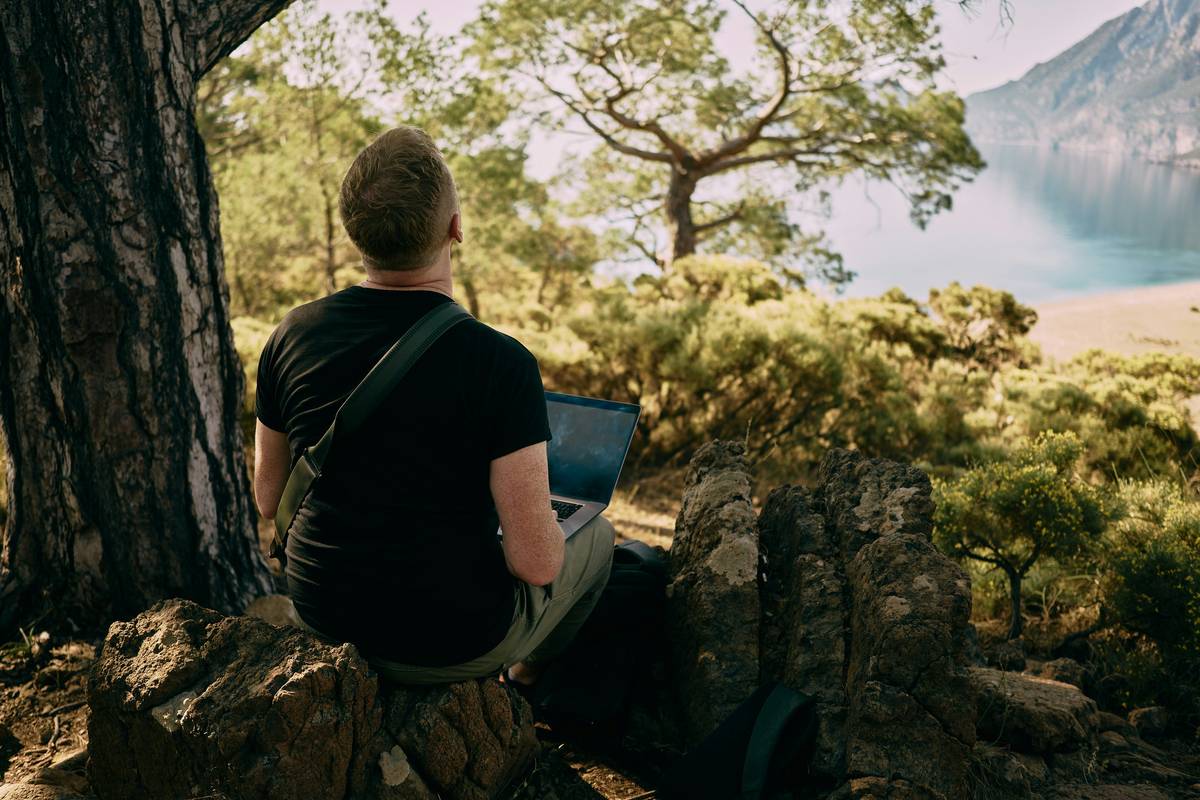
Step-by-Step Guide to Reclaiming Your Days
1. Audit Your Current Rhythm
For three days, log when you work, eat, sleep, and move. Note overlaps. Most nomads discover they’re “always on” far more than they assume.
2. Define Core Hours (and Guard Them)
Pick 4–6 focused work hours aligned with your energy peaks—not just client timezones. Communicate these clearly in Slack/email signatures. Example: “My core collaboration window: 9 a.m.–2 p.m. local time.”
3. Create Physical Rituals
Use tangible cues to start and end work: light a candle when beginning, shut your laptop and take a walk when done. These signals train your brain faster than any app notification.
Essential Habits for Sustainable Remote Travel
- Book “Offline Days” in Advance: Treat them like client meetings. No emails, no calls—just exploration. Apps like Google Calendar allow you to block recurring “focus time.”
- Use Two Devices (or Two User Profiles): Keep work email/docs off your personal phone. If that’s not feasible, create a separate browser profile named “Work Only.”
- Avoid This Terrible Tip: “Just wake up earlier to fit everything in.” Sleep debt isn’t productivity—it’s a fast track to errors and irritability. Prioritize rest over hustle.
- My Pet Peeve Rant: Why do co-working spaces insist on “vibe music” that’s just loud enough to drown out focus? If I’m paying $25/day, give me silence—or at least headphones that actually block sound. Noise fatigue is a silent killer of deep work.
Real Results from Digital Nomads Who Got It Right
Take Maria, a UX designer who bounced between Mexico City and Lisbon in 2023. After implementing strict work cutoffs and scheduling one full “wander day” weekly, she reported a 40% drop in anxiety (tracked via journaling) and completed her certification course—something she’d postponed for years. Her secret? She linked work completion to travel rewards: “Finish the sprint → book the hot springs trip.”
Data supports this: a 2022 study published in the Journal of Organizational Behavior found remote workers with clear daily boundaries were 2.1x more likely to report high well-being over 6 months. That’s not just feeling good—it’s staying productive longer.
If you’re curious how these principles shaped our own journey, check out our About Us page—we’ve iterated through plenty of failed experiments before landing on what works.
Frequently Asked Questions
How do I handle client calls across multiple time zones without burning out?
Cluster calls into two dedicated windows per week. Use tools like World Time Buddy to find overlap zones. Never spread calls across your entire day—that fragments focus and inflates perceived workload.
Can I maintain tips for work life balance remote while traveling solo?
Absolutely—but it requires more structure. Solo travelers lack built-in social cues (like a partner saying “Hey, you’ve been on that call 3 hours”). Set alarms, join coworking communities, or use accountability apps like Focusmate.
What if my employer expects 24/7 availability?
That’s a red flag. According to the U.S. Department of Labor, even remote employees are entitled to reasonable rest. Push back politely but firmly—cite productivity research if needed.
Is it worth sticking to a routine while constantly changing locations?
Yes. Micro-routines (e.g., morning coffee + planning, evening walk + shutdown ritual) provide stability amid chaos. They’re the anchor that lets you enjoy change without unraveling.
Where can I learn more about your approach to remote work ethics?
We detail our data practices and commitment to user privacy in our Privacy Policy. Transparency builds trust—especially when sharing personal strategies.
Conclusion
Mastering tips for work life balance remote isn’t about perfect discipline—it’s about designing systems that honor both your ambition and your humanity. The goal isn’t to work less while traveling; it’s to ensure your travels don’t become invisible. Because what’s the point of freedom if you’re too exhausted to feel it?
Ready to build a sustainable remote life that actually feels like living? Reach out to us—we’d love to hear your story (or your worst timezone disaster).
Wander slow, work clear, live fully.