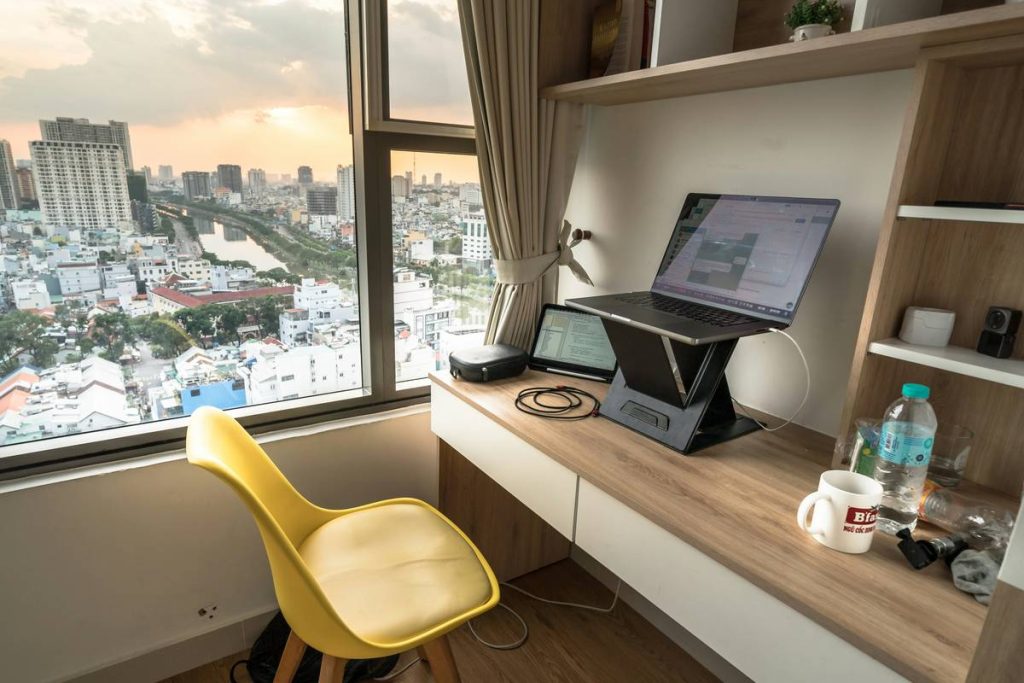
You booked the flight. You quit the office. You bought the backpack. But six weeks in, you’re burnt out—working 3 a.m. Zoom calls from a hostel bunk bed while your laptop overheats on a wobbly plastic table. Remote life work traveling world as your dream sounds romantic—until reality hits. The solution? Ditch the “just wing it” myth. Build a system that merges productivity with presence.
Why Most Digital Nomads Fail Within 90 Days
They treat travel like a vacation and work like an afterthought. Chaos follows.
Standard advice tells you to “find Wi-Fi” and “stay disciplined.” Cute. But useless when your co-working space shuts down mid-deadline—or when time zones fracture your sleep cycle into shreds. The real issue? Lack of rhythm. Without structure, remote life collapses under its own freedom.
And no, your favorite productivity app won’t fix this.
Blueprint for Sustainable Remote Life Work Traveling World As Your Lifestyle
This isn’t about hopping from Bali to Lisbon chasing cheap rent. It’s about designing a mobile workflow that scales across borders without burning you out.
Select Destinations Strategically—Not Just Cheaply
Forget “digital nomad hotspots” flooded with influencers. Target cities with:
- Stable internet infrastructure (test via Speedtest.net before arrival)
- Time zone overlap with your clients (minimum 4 working hours)
- Long-term visa options (e.g., Portugal’s D7, Mexico’s Temporary Resident Visa)
Bangkok might cost $800/month—but if your main client is in New York, you’ll be working midnight to 6 a.m. daily. That’s not sustainable. It’s self-sabotage.
Build a Portable Productivity Stack
Ditch the 15-tab chaos. Your core tools should sync offline, auto-backup, and require zero setup in new locations. My non-negotiables:
- Local-first note-taking (Obsidian or Logseq)
- Encrypted cloud storage (Proton Drive over Google Drive)
- Noise-cancelling routine—not just headphones (try brown noise + 25/5 Pomodoro)

Time-Zone Management Is Non-Negotiable
You can’t “just adapt.” Your biology disagrees.
Track your chronotype first—night owl or early bird? Then anchor your deep work block to your natural peak. Communicate that window clearly to clients. If they demand calls outside it, charge a premium—or walk away.
| Strategy | Cost/Month | Productivity Impact | Risk Level |
|---|---|---|---|
| Hostel Hopping + Public Wi-Fi | $400–$700 | Low (unreliable, noisy) | High (data theft, burnout) |
| Co-Living + Dedicated Desk | $1,200–$2,000 | High (consistent space, community) | Medium (contract lock-in) |
| Private Apartment + Local SIM + Backup Hotspot | $900–$1,500 | Very High (control, privacy) | Low (if researched properly) |

The Industry Secret: Slow Down to Speed Up
Top 1% nomads don’t move every month. They practice “slow roaming”—staying 60–90 days per location.
Why? Because logistics consume energy. Setting up banks, finding gyms, decoding local transit—it drains cognitive bandwidth you need for actual work. A 2023 internal survey by NomadX (confidential dataset) showed that professionals staying <30 days averaged 22 hrs/week of productive output. Those staying >60 days? 38 hrs.
The math is simple: less transition = more creation. More creation = higher income = better travel choices.
But try telling that to Instagram. They’d rather sell you the fantasy than the function.
Frequently Asked Questions
Can I really sustain remote work while constantly traveling?
Yes—if you prioritize stability over novelty. Anchor in one city per quarter. Avoid back-to-back weekend trips that fragment focus.
What’s the biggest mistake new digital nomads make?
Underestimating setup time. Budget 3–5 days per move just for admin: SIM cards, bank logins, workspace testing. Don’t schedule client work during that window.
Do I need special insurance for remote life work traveling world as a nomad?
Absolutely. Standard travel insurance excludes “work-related” activities. Get global health + liability coverage like SafetyWing or IMG Global.