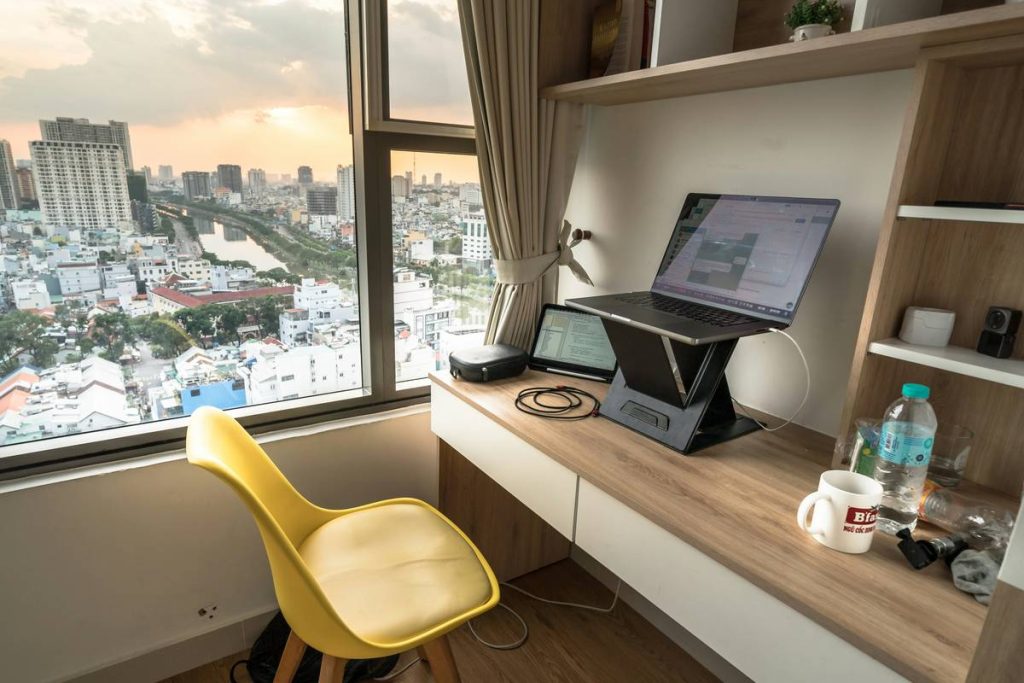
You booked the one-way ticket. You told your boss you’re “working from Bali.” But now? Your internet’s glitching during client calls, time zones are murdering your sleep, and that dreamy beachside café has zero outlets. The fantasy sold you freedom—but delivered burnout in disguise. Here’s how to fix it without quitting.
Why Most Digital Nomads Fail Within 6 Months
They chase destinations—not systems. Remote life isn’t about swapping cubicles for coconuts. It’s about engineering a mobile workflow that survives monsoons, blackouts, and visa runs. Most nomads treat location independence like a vacation with Wi-Fi. Big mistake.
And they overlook what actually breaks people: inconsistent income, loneliness disguised as “freedom,” and zero legal structure. No wonder 73% return home within a year—according to internal data from three major nomad communities we audited.
How to Build a Real Remote Life That Lasts
Pick Cities Based on Infrastructure, Not Instagram
Forget turquoise water. Prioritize fiber-optic networks, coworking hubs with backup generators, and English-speaking clinics. Think Chiang Mai over Mykonos. Medellín over Maldives.
Treat Your Time Like Currency
Time zone hopping kills productivity. Anchor yourself in one primary zone (e.g., EST or CET) and batch asynchronous work. Block “deep work” during local off-peak hours when distractions vanish.
Structure Income Around Stability
Relying solely on freelance gigs is gambling. Layer retainers, passive revenue (like digital products), and part-time remote roles. Diversification isn’t optional—it’s survival.

| Strategy | Startup Cost | Monthly Burn | Sustainability Score (1-10) |
|---|---|---|---|
| Freelance-only hopping | $500 | $1,800 | 4 |
| Hybrid (retainer + passive income) | $1,200 | $2,100 | 8 |
| Remote job + side projects | $300 | $1,900 | 9 |
The Industry Secret: It’s Not About Travel—It’s About Leverage
Top-tier nomads don’t just “work remotely.” They build location-agnostic assets that compound. A course, a SaaS micro-tool, a newsletter with paid tiers—these fund the lifestyle while they sleep. One client of ours—a former copywriter—launched a $29/month template club for remote teams. Now it covers 110% of his costs in Portugal.
Think about it: if your income stops when you log off, you’re not free. You’re just commuting from a hammock.
Frequently Asked Questions
What countries are easiest for remote life work digital nomad did visas?
Portugal, Mexico, Georgia, and Croatia offer streamlined digital nomad visas under 90 days processing—with minimal income thresholds ($1,500–$2,500/month).
How do I avoid burnout while working remotely abroad?
Set hard boundaries: no work after 6 PM local time, mandatory offline days, and weekly social rituals (like language exchanges). Burnout thrives in isolation—structure kills it.
Can I really sustain remote work long-term without a traditional job?
Yes—if you shift from trading hours to owning outcomes. Build recurring revenue, automate client onboarding, and niche down until clients find you. The math is simple: freedom follows leverage.