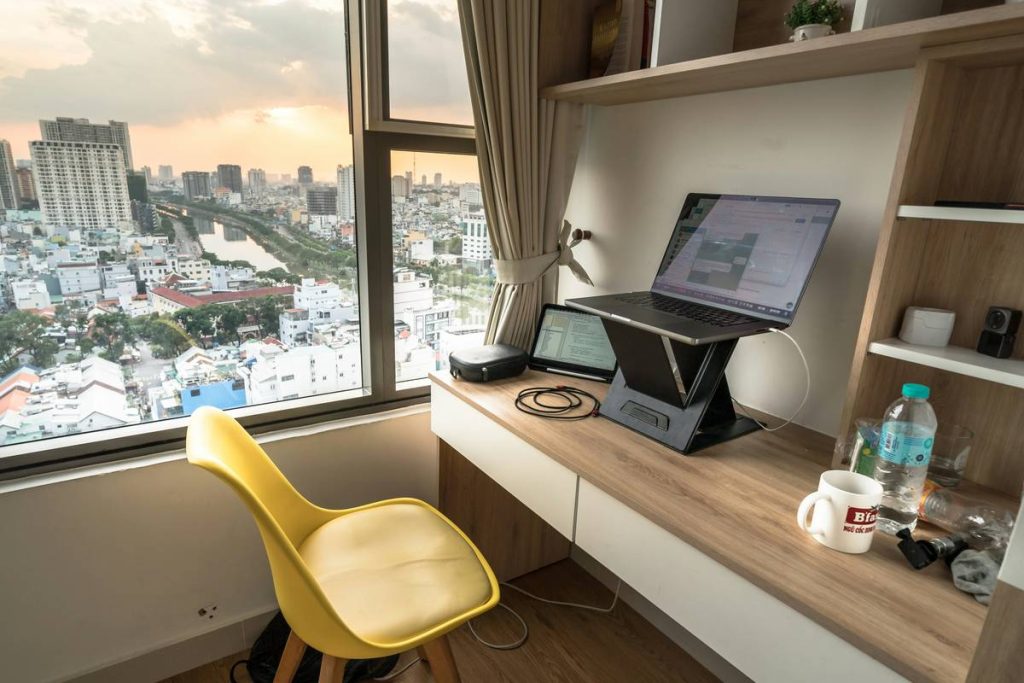
You’ve read the “dream job abroad” blog posts. Watched the sunset-laptop TikToks. But your reality? Spotty Wi-Fi, visa anxiety, and a bank account that’s bleeding faster than your motivation. And worst of all—you still don’t know how to actually remote life work how to get right. Here’s the fix: stop chasing destinations. Start engineering systems.
Why Most Remote Workers Fail Within 6 Months
They optimize for aesthetics—not infrastructure. A Bali beach house looks epic on Instagram. But if your Zoom call drops during a pitch meeting because the local ISP throttles international bandwidth after 2 p.m.? You’re screwed. And it happens more often than you think.
Digital nomadism isn’t about geography. It’s about replicating your productivity ecosystem—anywhere—with zero degradation. Most fail because they treat relocation like a vacation with a laptop. Reality check: remote work travel demands operational rigor, not just a passport.
Remote Life Work How to Get: Your No-BS Implementation Plan
Step 1: Audit Your Non-Negotiables
List what *must* work flawlessly: dual-screen setup? Daily 4-hour overlap with HQ time zone? Real-time collaboration tools? If your answer includes “reliable cloud backups,” good—you’re already ahead of 70% of beginners.
Step 2: Reverse-Engineer Your Destination
Forget “best cities for digital nomads.” Instead, run this test: Can you find three coworking spaces within 1 km that offer fiber internet, 24/7 access, and backup power? If not, skip it—even if it’s Lisbon or Chiang Mai.
Step 3: Build a Redundant Income Stack
Relying on one client while moving across borders is financial Russian roulette. Diversify: freelance gigs + passive income (e.g., digital products) + retainer contracts. Aim for at least two revenue streams that survive timezone hops.

| Strategy | Startup Cost | Visa Simplicity | Internet Reliability |
|---|---|---|---|
| Traditional Nomad Hubs (Bali, Lisbon) | $1,500–$2,500/mo | Moderate (90-day tourist visa) | Unpredictable (congested networks) |
| Emerging Alternatives (Tbilisi, Medellín) | $900–$1,600/mo | High (180+ day visa-free) | Good (fiber expanding rapidly) |
| Home Base + Short-Term Trips | $500–$1,200/trip | Very High (no long-stay visa needed) | Controlled (use known infrastructure) |

The Industry Secret: “Nomad Visas” Are Overrated
Here’s what no one admits: most so-called “digital nomad visas” are bureaucratic theater. They cost $500+, take 8 weeks to process, and force arbitrary income thresholds ($3,500/month? Really?). Meanwhile, savvy operators use tourist visa runs combined with residency-by-investment-lite tactics.
Example: Georgia grants 1 year visa-free to 95+ nationalities. Set up a local LLC for $300—it doubles as a tax-efficient invoicing vehicle. Then, bounce to Armenia (another 180 days) when needed. No application forms. No proof-of-income letters. Just mobility, legally.
And yes—this works even if your “remote life work how to get” journey starts from a corporate 9-to-5. Transition quietly. Test systems. Scale only after validation.
Frequently Asked Questions
Can I start remote work travel with a full-time job?
Yes—if your employer allows location flexibility. Negotiate a trial: “I’ll maintain output; you track my metrics.” Many companies say yes when framed as a performance experiment, not a lifestyle ask.
What’s the cheapest country to live remotely?
Albania, Uzbekistan, and Bolivia offer sub-$800/month lifestyles with decent internet in urban cores. But prioritize connectivity over cost—slow uploads kill client trust faster than rent hikes.
Do I need travel insurance for remote work?
Absolutely. Standard plans exclude “work-related accidents.” Get global coverage that includes gear theft, medical evacuation, and liability—World Nomads or SafetyWing are battle-tested.